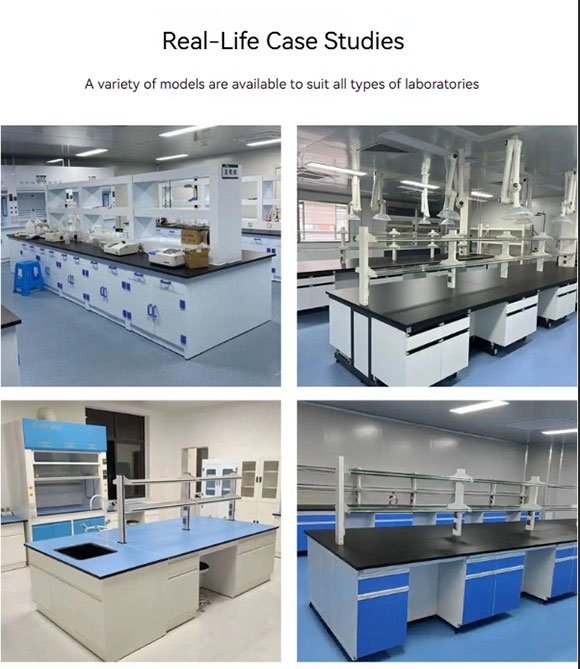
When I first walked into a pathology lab in Zhengzhou back in 2013, I saw something that stuck with me: a technician kneeling on the floor, digging through cardboard boxes filled with paraffin blocks. She had been there for twenty minutes looking for one specimen from three years ago. That image never left me, because it represents exactly what happens when a hospital laboratory treats tissue block storage as an afterthought.
Choosing the right pathology paraffin block storage cabinet is not about buying another piece of furniture. It is about building a system that protects patient data, keeps your technicians efficient, and passes regulatory inspections without stress. Over the past decade of manufacturing lab storage equipment for hospitals across Asia, the Middle East, and Europe, I have learned that the buyers who get this decision right follow a consistent checklist. The ones who get it wrong usually skip the same three steps.
This article walks through what actually matters when selecting a paraffin block cabinet for a hospital pathology department. No marketing fluff. Just the practical criteria that determine whether your archive stays organized for ten years or turns into the mess I saw in Zhengzhou.
Start With Capacity, Not Price
The first mistake most procurement teams make is opening a catalog and looking at the price column first. That is backwards. You need to know your numbers before you look at any price tag.
Start by calculating your current block volume. A medium-sized hospital pathology department in China typically processes between 8,000 and 15,000 tissue blocks per year. According to CAP (College of American Pathologists) guidelines, those blocks need to be retained for a minimum of ten years. So your storage system needs to handle not this year’s blocks, but a rolling archive of a decade’s worth of specimens.
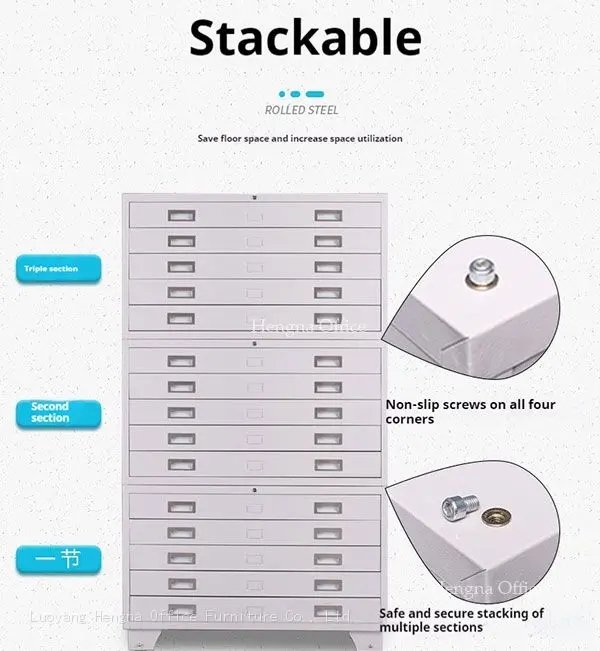
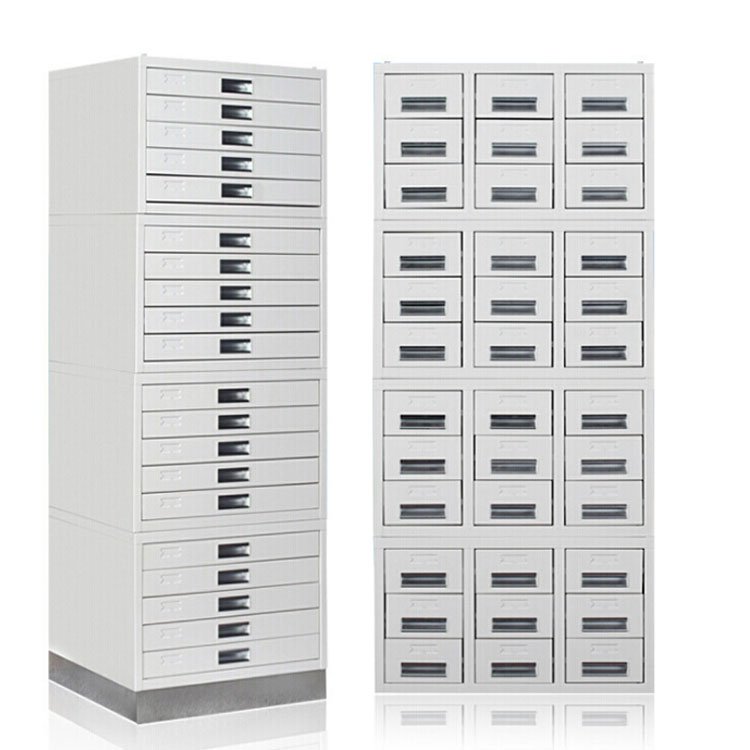
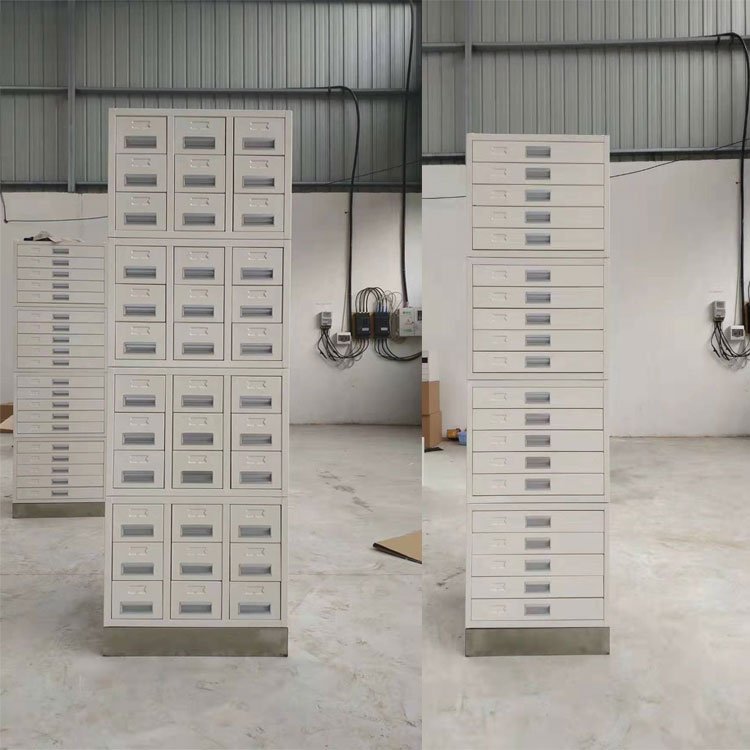
A well-built modular cabinet system makes this math simple. A single drawer unit measuring 360mm in height, 515mm in width, and 480mm in depth can store approximately 4,000 standard paraffin blocks across five drawers. When you stack four of these units on a base — creating a full cabinet of 1,520mm height, 515mm width, and 480mm depth — your total capacity reaches approximately 16,000 blocks.
That means one full cabinet handles roughly one year’s worth of blocks for a mid-sized department. Buy two units, and you have breathing room. Buy one and hope it stretches, and you will be ordering again in eighteen months.
Ask your pathology team: how many blocks did we process last year? What is our projected growth? Then match the cabinet capacity to a ten-year projection, not a two-year budget cycle.
Material and Construction Quality Decide Longevity
Hospital environments are not gentle on equipment. Temperature swings from air conditioning, constant humidity changes, chemical exposure from processing labs, and the simple reality of daily heavy use all wear down storage cabinets over time.
The cabinets that survive fifteen years share one common trait: they are built from cold-rolled steel, not plastic or particle board. Specifically, look for 0.8mm cold-rolled steel plate construction. This thickness provides the rigidity to hold drawer after drawer of dense paraffin blocks without sagging or warping.
Surface treatment matters just as much as the base material. An electrostatic spray coating with anti-rust treatment protects against the humid conditions common in Asian hospital basements and labs without climate control. The matte white finish you see on professional-grade cabinets is not just about aesthetics — it reflects light well in dim archive rooms and resists discoloration from chemical exposure better than glossy surfaces.
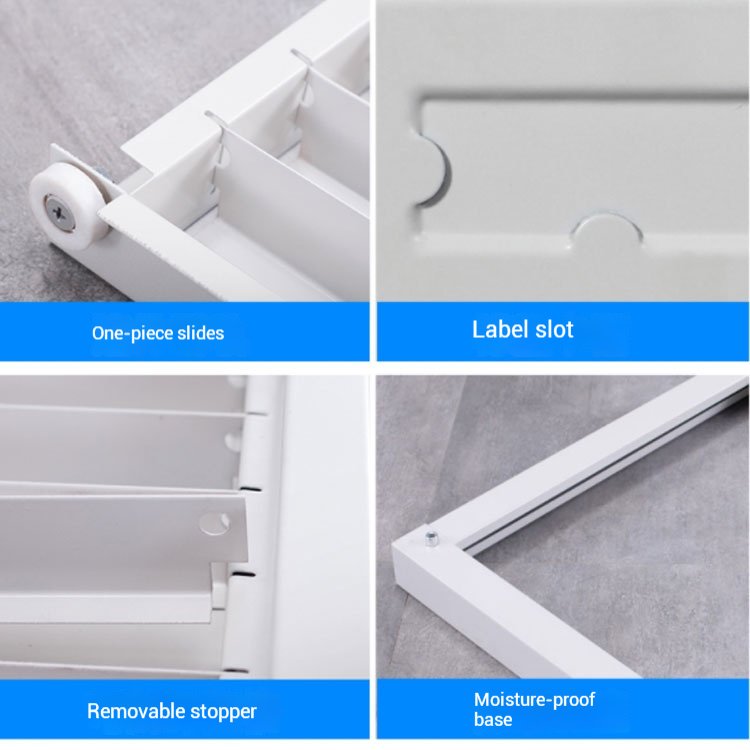
Drawer construction details separate good cabinets from disposable ones. Groove-style slide rails with high-strength sliding wheels allow smooth drawer operation even when fully loaded. Auto-return positioning keeps drawers aligned properly after repeated opening and closing. Interchangeable drawers are a feature most buyers ignore until they need to reorganize their archive by year, case type, or patient ID. Then they realize how much time they save by being able to swap drawer positions without emptying contents.
One small detail that makes a daily difference: high-strength shock-absorbing pads where the drawer meets the cabinet frame. Without these, every drawer closure creates noise in a room where technicians are trying to focus. With them, the cabinet operates quietly even during high-volume retrieval periods.
Security and Compliance Are Non-Negotiable
Patient tissue blocks are classified as biological specimens in most jurisdictions. That means they carry the same privacy and security requirements as medical records. A cabinet without a locking mechanism is a compliance risk waiting to happen.
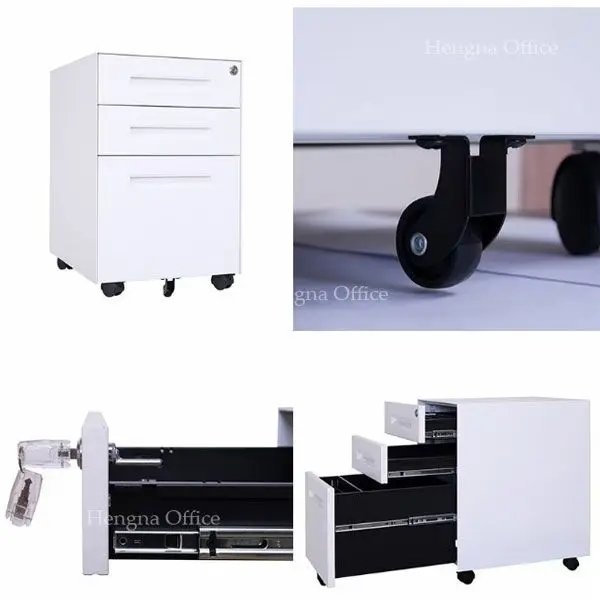
Every drawer should have an independent lock, not just a cabinet-level latch. Why? Because in a busy pathology lab, multiple technicians access blocks throughout the day. If one technician is retrieving a block while another needs access to a different drawer, individual locks allow concurrent use without compromising security.
CAP inspections, Joint Commission reviews, and local health authority audits all include questions about specimen storage security. A locked cabinet with a clear key management log satisfies those requirements. An unlocked shelf does not.
Footprint and Layout Flexibility
Hospital real estate is expensive. Pathology departments are often tucked into basements, converted storage rooms, or corners of the main lab. Your cabinet needs to fit the space you have, not the space you wish you had.
The modular approach solves this problem elegantly. A single unit at 360mm height fits under workbenches or in low-ceiling areas. Four units stacked to 1,520mm height maximize vertical space in rooms with standard ceiling heights. The 515mm width and 480mm depth dimensions fit through standard doorways and elevator doors — a detail that matters more than you think when you are moving equipment into a basement lab with narrow corridors.
Before ordering, measure your doorway widths, elevator dimensions, and the turning radius of your corridors. Then confirm that the cabinet can reach its final location. I have seen buyers receive perfectly good cabinets that they could not actually get into the lab.
What to Expect From a Reliable Supplier
A cabinet is only as good as the support behind it. When evaluating suppliers, look beyond the product photos.
Request material certifications for the steel and coating. Ask about drawer weight capacity under full load. Confirm whether replacement drawers and hardware are available for purchase separately — because in year eight, you will need them.
Lead time matters for hospital projects. A supplier who keeps standard units in stock can deliver within two to three weeks. Custom configurations may take six to eight weeks. Plan your procurement timeline accordingly, especially if you are outfitting a new lab that needs to pass inspection before opening.
Finally, ask for references from other hospital pathology departments. A supplier serving ten hospitals in your region will understand your compliance requirements better than one who only sells to research universities.
How to Choose the Right Pathology Paraffin Block Storage Cabinet|Making the Decision
Choosing the right pathology paraffin block storage cabinet comes down to five questions:
- Does the capacity match our ten-year archive projection?
- Is the construction robust enough for daily hospital use?
- Do the drawers lock individually for compliance?
- Will the dimensions work in our actual lab space?
- Does the supplier support the product long-term?
Get those five right, and your pathology department will have a storage system that stays organized, passes inspections, and keeps your technicians off the floor searching through cardboard boxes.
About the Author: We have been manufacturing laboratory storage equipment for hospital and research pathology departments. Our paraffin block cabinets are installed in medical institutions across Asia, the Middle East, and Europe.