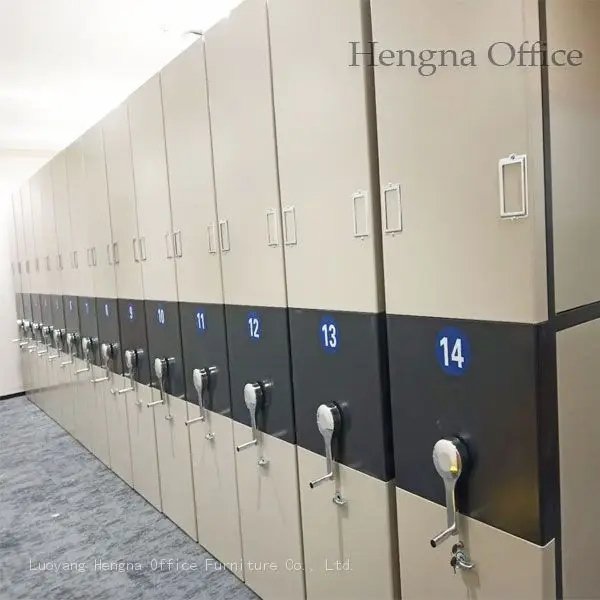
As mobile phones become an inseparable part of daily life, managing these devices in schools, factories, and public facilities has become a growing challenge. Uncontrolled phone usage can lead to distractions, safety risks, and inefficient management, while scattered charging solutions often result in clutter and security concerns.
This is why cell phone charging lockers are increasingly adopted as a professional device management solution. Among all available options, steel and acrylic cell phone charging lockers are the two most popular choices. Each material offers distinct advantages, and selecting the right one can significantly improve security, efficiency, and daily operations.
Why Material Selection Matters for Phone Charging Lockers
When choosing a cell phone charging locker, material is far more than a design preference. It directly affects:
- Security level
- Durability and lifespan
- Ease of supervision
- Long-term maintenance cost
For institutions managing dozens of devices every day, the right material choice ensures both safe storage and efficient administration.
What Are Cell Phone Charging Lockers?
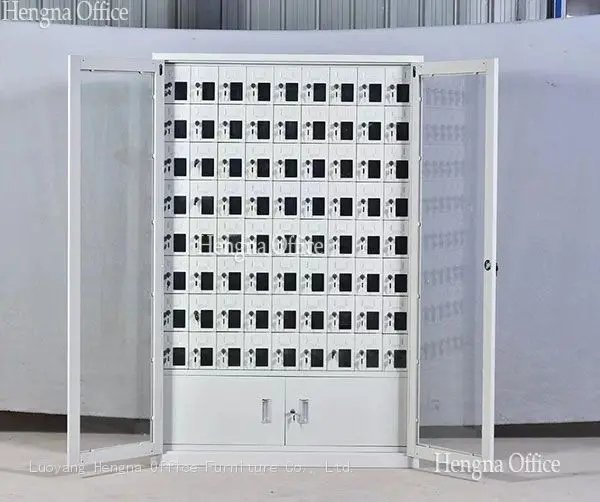
A cell phone charging locker is a multi-compartment cabinet designed to securely store and charge mobile devices at the same time. Each phone is placed in an individual compartment, allowing users to charge their devices safely while preventing loss or misuse.
Core Functions and Use Cases
- Secure device storage
- Centralized charging
- Organized multi-user management
Charging Lockers vs Traditional Storage Solutions
Unlike traditional lockers or open charging stations, charging lockers:
- Prevent unauthorized access
- Reduce cable clutter
- Improve device accountability
This makes them especially suitable for shared and high-traffic environments.
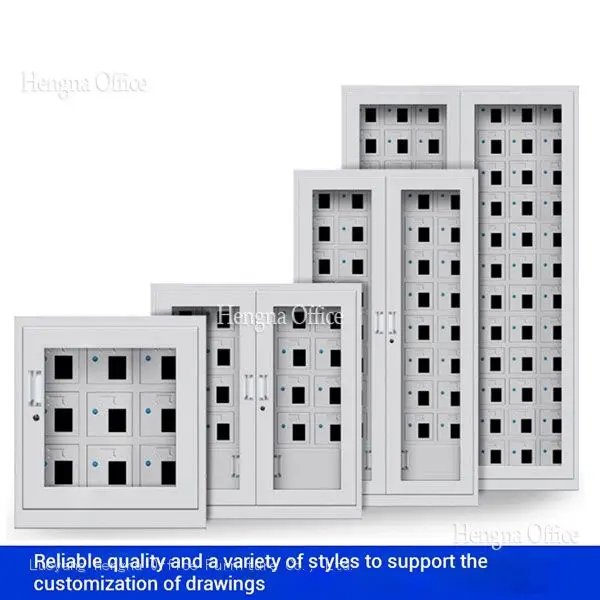
Steel Cell Phone Charging Lockers: Strength and Maximum Security
Key Advantages of Steel Construction
Steel cell phone charging lockers are built for durability and security. Made from high-quality steel, they are designed to withstand heavy use and demanding environments.
Main advantages include:
- Strong resistance to impact and tampering
- Enhanced theft prevention
- Long service life with minimal maintenance
These characteristics make steel lockers a preferred choice for facilities where device security is critical.
Best Applications for Steel Lockers
Steel charging lockers are ideal for:
- Factories and manufacturing plants, where safety and discipline are priorities
- Hospitals and healthcare facilities, where controlled device usage is required
- Restricted or supervised environments
In these settings, steel lockers provide peace of mind for both administrators and users.
Acrylic Cell Phone Charging Lockers: Visibility and Efficient Management
Benefits of Acrylic Panels
Acrylic charging lockers feature transparent or semi-transparent doors, allowing managers to visually inspect compartments without opening them.
Key benefits include:
- Easy monitoring of phone storage status
- Faster daily inspections
- Reduced disputes over misplaced devices
This visibility improves management efficiency, especially in environments with frequent user turnover.
Best Applications for Acrylic Lockers
Acrylic lockers are particularly suitable for:
- Schools and universities, where supervision is essential
- Training centers and classrooms
- Public service facilities, such as libraries or community centers
They help staff maintain order while offering a user-friendly experience.
Steel vs Acrylic: A Direct Comparison
The table below highlights the main differences between steel and acrylic cell phone charging lockers:
| Feature | Steel Charging Lockers | Acrylic Charging Lockers |
|---|---|---|
| Security level | Very high | Moderate to high |
| Visibility | Low | High |
| Durability | Excellent | Good |
| Management efficiency | Standard | High |
| Best use cases | Factories, hospitals | Schools, public facilities |
This comparison shows that the “better” option depends entirely on the intended application.
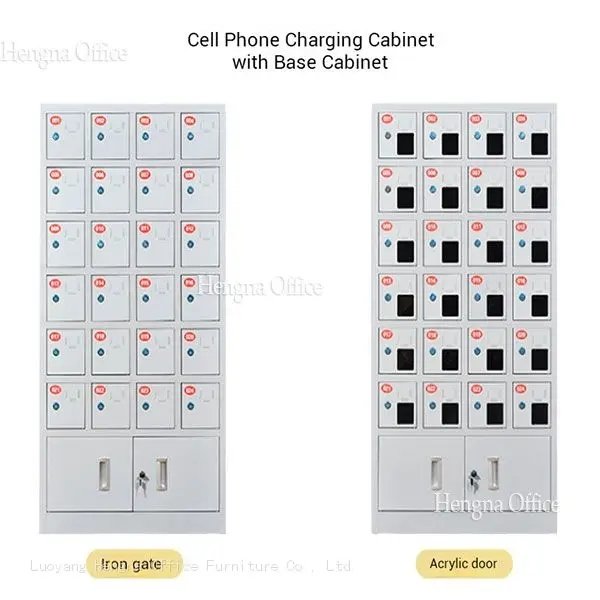
Charging Technology and Safety Features
Supported Charging Interfaces
Both steel and acrylic charging lockers can be equipped with:
- USB ports
- Type-C connectors
- AC power outlets
This ensures compatibility with most smartphones and mobile devices.
Electrical Safety Design
High-quality charging lockers include built-in safety features such as:
- Overload protection
- Stable power distribution
- Organized internal wiring
These features protect both devices and users in high-density charging environments.
Choosing the Right Door Count and Capacity
Selecting the appropriate door count ensures smooth daily operation and avoids congestion.
General Capacity Guidelines
| Environment | Recommended Door Count |
|---|---|
| Schools | 20–40 doors |
| Factories | 30–60 doors |
| Public facilities | 30–50 doors |
Planning for peak usage and future expansion is essential when choosing capacity.
Customization Options from Factory-Direct Suppliers
Working directly with a manufacturer offers greater flexibility and cost efficiency.
Common customization options include:
- Door count and layout
- Steel or acrylic material selection
- Charging port configuration
- Color and branding options
Factory-direct solutions are ideal for institutional buyers and large-scale projects.
FAQs – Steel vs Acrylic Cell Phone Charging Lockers
Q1: Which material is more secure?
Steel charging lockers provide the highest level of security due to their strength and tamper resistance.
Q2: Are acrylic lockers durable enough for public use?
Yes. Acrylic lockers are widely used in schools and public facilities where visibility and supervision are important.
Q3: How do I choose the right locker for my facility?
Consider your security needs, user volume, and management style. High-security environments benefit from steel, while supervised spaces often prefer acrylic.
Q4: Can charging lockers be customized?
Yes. Door count, materials, charging interfaces, and appearance can all be customized.
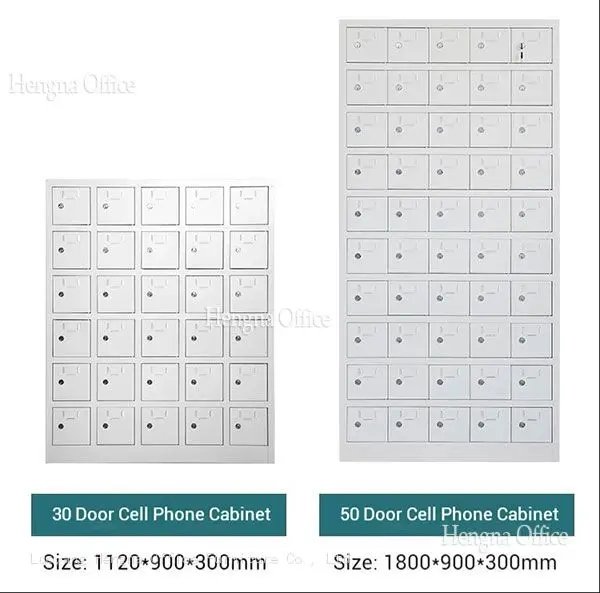
Selecting the Right Charging Locker for Your Environment
Choosing between steel and acrylic cell phone charging lockers depends on your specific operational needs. Steel lockers excel in security and durability, while acrylic lockers offer superior visibility and management efficiency.
By selecting the right material, capacity, and configuration, schools, factories, and public facilities can significantly improve device security, user compliance, and overall efficiency. A well-chosen charging locker system is a long-term investment in organized and professional device management.