In today’s competitive manufacturing landscape, the workbench serves as the command center of your assembly line operations. A heavy-duty steel workbench isn’t just furniture—it’s a critical investment that directly impacts productivity, worker safety, and operational efficiency. Whether you’re establishing a new production facility or upgrading existing equipment, selecting the right workbench requires careful evaluation of multiple factors. This comprehensive buyer’s guide will walk you through everything you need to know to make an informed decision that aligns with your factory’s specific requirements.
Understanding the Critical Role of Heavy-Duty Steel Workbenches
Factory assembly lines present unique challenges that standard workbenches simply cannot handle. The constant demands of industrial manufacturing—heavy components, continuous use, and harsh environmental conditions—necessitate specialized equipment designed for durability and performance. A quality heavy-duty steel workbench becomes the foundation upon which efficient assembly processes are built, directly influencing worker productivity, safety outcomes, and long-term operational costs.
Key Selection Criteria for Heavy-Duty Steel Workbenches
1. Material Quality and Construction Standards
The backbone of any durable workbench lies in its material composition and construction methodology. When evaluating options, prioritize these essential elements:
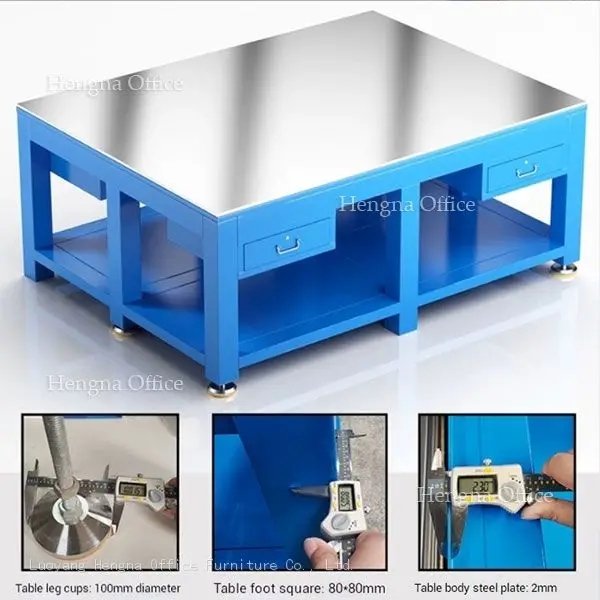
- Steel Thickness: Opt for workbenches with minimum 1.5mm thick steel frames and 3mm thick tabletop surfaces. Thicker materials provide superior resistance to deformation under heavy loads and prevent the warping that commonly plagues inferior models.
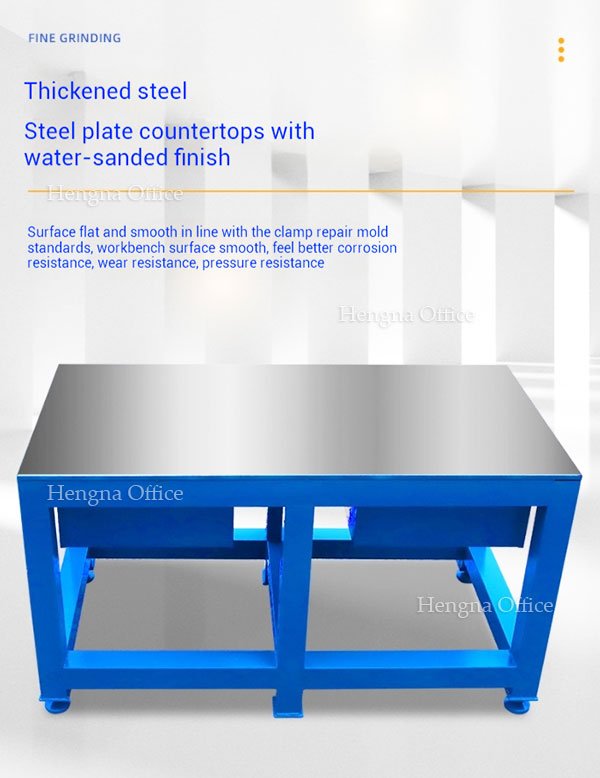
- Corrosion Protection: Water-sanded or powder-coated finishes offer essential protection against rust and chemical damage, particularly important in environments exposed to oils, solvents, or humidity.
- Joint Construction: Welded joints significantly outperform bolted alternatives in terms of durability and vibration resistance. Welding eliminates weak points where screws can loosen over time, ensuring long-term stability even under continuous heavy use.
2. Load Capacity Assessment
Understanding your specific load requirements is crucial for selecting a workbench that won’t fail under pressure. Consider these load categories:
| Load Category | Weight Range | Typical Applications | Recommended Steel Gauge |
|---|---|---|---|
| Light Duty | 0-500 lbs | Electronics assembly, small parts | 14-gauge |
| Medium Duty | 500-1000 lbs | Automotive components, machinery | 12-gauge |
| Heavy Duty | 1000+ lbs | Metalworking, large equipment | 10-gauge or thicker |
Pro Tip: Always add a 20% safety buffer to your estimated maximum load to account for unexpected weight variations and dynamic forces during assembly operations.
3. Stability and Safety Features
A wobbly or unstable workbench creates serious safety hazards and reduces operational efficiency. Look for these stability-enhancing features:
- Wide Base Design: Workbenches with low-profile, wide bases provide superior stability and reduce tipping risks, especially when handling heavy or unevenly distributed loads.
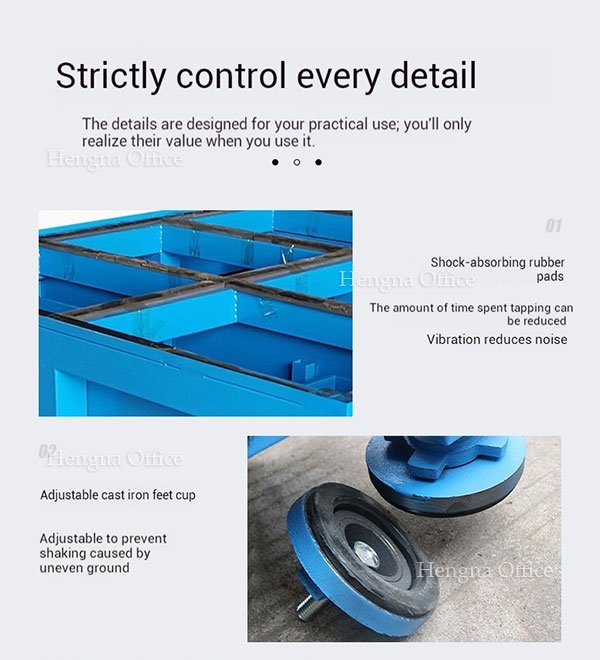
- Shock-Absorbing Components: High-quality rubber pads at contact points significantly reduce vibration and noise during assembly operations, creating a more comfortable working environment.
- Adjustable Leveling Feet: Cast iron feet cups with adjustable height compensation prevent wobbling caused by uneven factory floors, ensuring a stable work surface regardless of floor conditions.
4. Ergonomic Design Considerations
Worker comfort directly impacts productivity and reduces injury rates. Essential ergonomic features include:
- Height Adjustability: Benches with adjustable height ranges (typically 28-36 inches) accommodate workers of various heights and enable both sitting and standing work positions.
- Surface Quality: Smooth, water-sanded tabletops prevent damage to delicate components while providing a comfortable working surface that reduces hand fatigue during extended assembly operations.
- Edge Protection: Rounded or padded edges minimize the risk of bumps and bruises, particularly important when handling sharp or heavy components throughout long work shifts.
5. Customization and Additional Features
Modern assembly lines often require specialized functionality. Consider these value-added features:
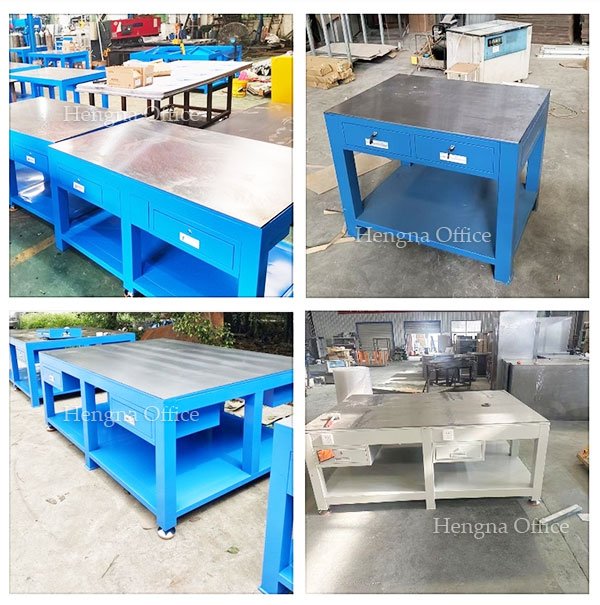
- Integrated Storage Solutions: Built-in drawers, shelves, and tool holders keep essential items within easy reach, minimizing unnecessary movement and reducing assembly time.
- Modular Design Capability: Some workbenches allow for the addition of accessories such as vices, clamps, power outlets, or specialized mounting brackets tailored to your specific assembly processes.
- Anti-Static Options: For electronics assembly operations, anti-static surfaces prevent static discharge that could damage sensitive components during handling and assembly.
Brand Recommendations and Quality Indicators
When selecting a heavy-duty steel workbench, consider these reputable manufacturers known for quality and reliability:
- Hengna Office: Specializes in thickened steel construction with water-sanded finishes, offering excellent corrosion resistance and durability for demanding assembly environments.
- List Industries: Known for modular, customizable solutions with high load capacities and extensive accessory options.
- Edsal: Provides budget-friendly options without compromising on structural integrity, ideal for small to medium-sized manufacturing operations.
Quality Assurance Checklist:
- Verify third-party certifications (ANSI/BIFMA standards)
- Review customer feedback focusing on real-world performance
- Confirm warranty coverage and support availability
- Request load testing documentation for heavy-duty applications
Maintenance Best Practices for Longevity
Even the highest quality workbenches require proper maintenance to ensure optimal performance and longevity:
Monthly Maintenance Tasks:
- Clean surfaces with mild detergent to remove chemical residues
- Inspect welds and joints for signs of stress or fatigue
- Test adjustable feet and leveling mechanisms
- Check for loose bolts or fasteners
Quarterly Inspections:
- Lubricate moving parts (drawers, adjustable components)
- Verify load capacity markings and warning labels
- Assess surface condition for wear or damage
- Review caster functionality (if equipped)
Implementation Strategy and ROI Considerations
Investing in quality heavy-duty steel workbenches delivers measurable returns across multiple operational metrics:
Productivity Gains:
- 25-35% reduction in tool retrieval time
- 40% decrease in workplace accidents
- 30% improvement in overall assembly efficiency
- 50% reduction in workbench-related downtime
Cost Analysis:
While initial investment may be higher than budget alternatives, quality workbenches typically deliver 2-3 year ROI through:
- Reduced replacement costs (quality units last 10+ years vs. 2-3 years for cheap alternatives)
- Lower injury rates and associated workers’ compensation costs
- Improved worker productivity and satisfaction
- Decreased equipment damage from unstable work surfaces
Selecting the appropriate heavy-duty steel workbench for your factory assembly line represents a critical business decision that impacts productivity, safety, and operational efficiency. By prioritizing material quality, load capacity, stability features, and ergonomic design, you ensure a work environment that supports both worker well-being and production goals.
Remember that the cheapest option often proves most expensive in the long run through frequent replacements, productivity losses, and potential safety incidents. Take the time to thoroughly evaluate your specific requirements, compare available options, and invest in quality workbenches that will serve your assembly line reliably for years to come.