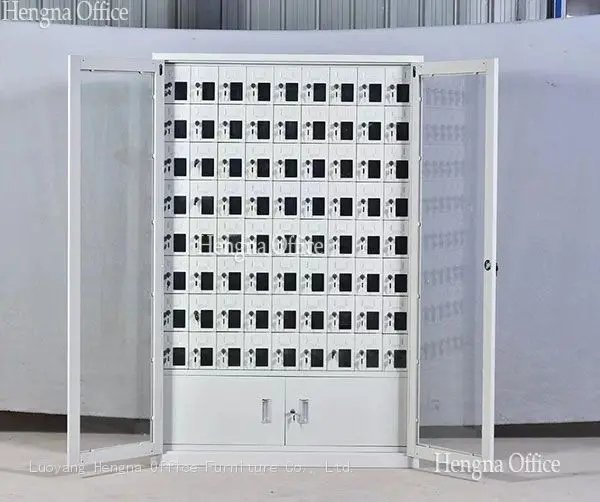
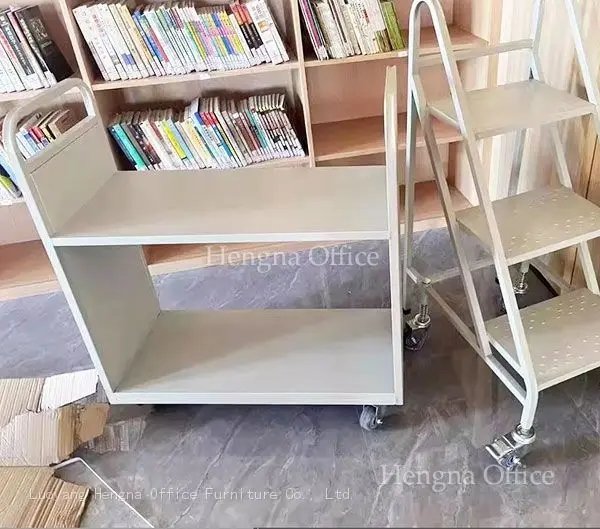
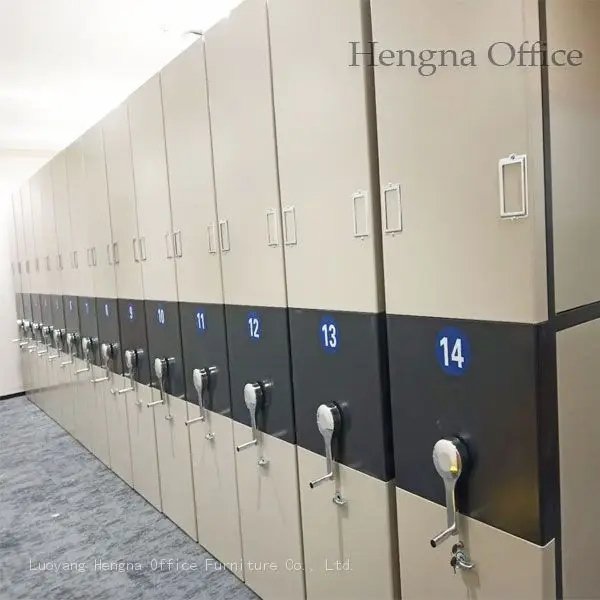
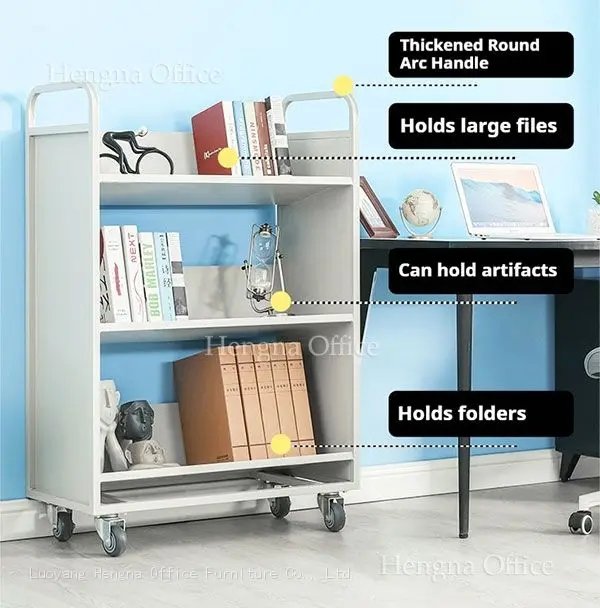
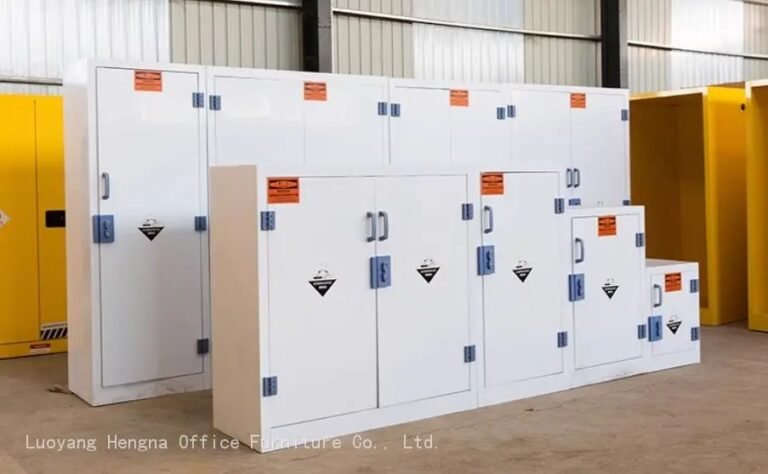
Sourcing steel furniture from China can transform your business with significant cost savings and access to world-class manufacturing, but success requires careful planning and execution. As someone who facilitates international furniture procurement daily, I’ve seen businesses achieve remarkable results—and avoid costly mistakes—by following proven strategies. Let me guide you through the five essential steps for successful steel furniture sourcing from China.
Step 1: Define Your Requirements Precisely
The foundation of successful China sourcing begins with crystal-clear specifications. Before contacting any suppliers, document every aspect of your requirements:
Technical Specifications: Include exact dimensions, steel thickness requirements (typically 0.8mm for standard use, 1.0mm+ for high-traffic areas), weight capacity needs, and any special features like electronic locking or charging capabilities.
Quality Standards: Specify required certifications (ISO 9001, CE, or country-specific standards), finish requirements (powder coating color and durability standards), and testing protocols for your market.
Quantity and Timeline: Realistic volume commitments help factories provide accurate pricing. Consider minimum order quantities (MOQs) typically ranging from 50-100 units for standard products, with lead times usually 30-45 days after order confirmation.
Customization Needs: Detail any branding requirements, specific color matching, or unique features. Chinese manufacturers excel at customization but need precise specifications to deliver accurately.
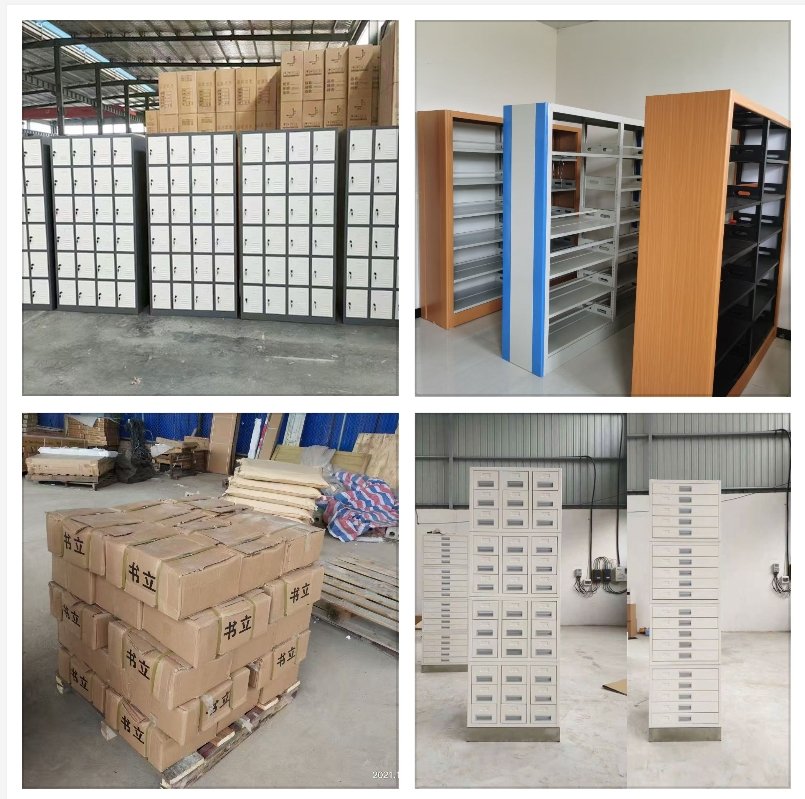
Step 2: Identify and Vet Potential Suppliers
With clear requirements, focus on finding reliable manufacturing partners. Look for factories with:
Industry Experience: Seek manufacturers with at least 5-10 years in steel furniture production. Experienced factories understand international quality expectations and have established quality control processes.
Export Capabilities: Verify experience with your target market. Manufacturers familiar with US, European, or other international markets understand documentation requirements, shipping logistics, and market-specific standards.
Production Capacity: Ensure the factory can handle your volume requirements without compromising quality. Ask about monthly production capacity and current utilization rates.
Quality Certifications: Request copies of relevant certifications and verify their authenticity. Reputable factories will readily provide documentation and welcome facility audits.
Communication Capabilities: While language barriers exist, reliable factories typically have English-speaking staff or work with professional translators. Clear communication is essential for successful partnerships.
Step 3: Conduct Thorough Due Diligence
Due diligence separates successful sourcing relationships from costly disappointments. Implement these verification steps:
Factory Verification: Schedule video calls for facility tours. Look for organized production areas, modern equipment, and clean working conditions. Ask about quality control processes and request to see testing equipment.
Sample Evaluation: Request product samples before placing bulk orders. Evaluate samples against your specifications, checking weld quality, finish uniformity, and functionality of features like locks or hinges.
Reference Checking: Ask for references from other international buyers in similar markets. Contact these references to learn about their experiences with quality consistency, delivery reliability, and problem resolution.
Financial Stability: Inquire about factory ownership, years in business, and major customers. Financially stable manufacturers are more likely to honor long-term commitments and invest in quality improvements.
Step 4: Establish Clear Agreements and Quality Control
With a selected supplier, formalize your partnership with comprehensive agreements:
Detailed Contracts: Include precise specifications, quality standards, delivery timelines, payment terms, and responsibilities for each party. Specify procedures for handling quality issues or shipping delays.
Quality Control Protocols: Establish inspection points throughout production. Many successful buyers hire third-party inspection services to verify quality at key production stages and before shipment.
Payment Terms: Typical arrangements involve 30% deposit with order confirmation, 40% upon production completion, and 30% after quality inspection before shipment. These terms protect both parties while ensuring cash flow for production.
Communication Protocols: Establish regular update schedules and clear communication channels. Specify response time expectations and escalation procedures for issues that arise.
Step 5: Manage Logistics and Build Long-Term Relationships
The final step involves smooth logistics execution and relationship development:
Shipping Coordination: Work with experienced freight forwarders familiar with China exports. They handle documentation, customs clearance, and shipping arrangements. Consider factors like shipping method (sea vs. air), insurance requirements, and delivery scheduling.
Customs and Import Compliance: Ensure all documentation meets your country’s import requirements. This includes commercial invoices, packing lists, certificates of origin, and any specific certifications required by your market.
Performance Evaluation: After each order, evaluate the supplier’s performance against agreed metrics. Share feedback constructively and address any issues promptly.
Relationship Investment: Successful China sourcing becomes easier with established relationships. Visit factories when possible, maintain regular communication, and consider longer-term agreements that benefit both parties.
Common Pitfalls to Avoid
Even experienced buyers can encounter challenges. Watch for these common issues:
Unclear Specifications: Vague requirements lead to disappointing results. Invest time in detailed documentation before production begins.
Price-Only Focus: The lowest price rarely represents the best value. Consider quality, reliability, and service when evaluating suppliers.
Insufficient Communication: Regular updates prevent misunderstandings. Establish clear communication protocols from the beginning.
Inadequate Quality Control: Don’t rely solely on factory quality assurances. Implement independent verification processes.
Unrealistic Expectations: Understand cultural differences and business practices. Patience and flexibility often lead to better outcomes.

The Role of Professional Guidance
While these steps provide a solid framework, many businesses benefit from professional guidance. Someone experienced in China sourcing can help navigate cultural differences, identify reliable suppliers, and ensure quality standards are met consistently.
Professional guidance becomes particularly valuable for complex orders, custom requirements, or businesses new to international sourcing. The investment in expertise typically pays for itself through avoided mistakes and better supplier relationships.
Building Sustainable Supply Chains
Successful China sourcing isn’t just about individual transactions—it’s about building sustainable supply chains that support your business growth. Focus on partnerships that offer consistent quality, reliable delivery, and continuous improvement opportunities.
As your relationship with Chinese manufacturers develops, you’ll discover opportunities for product innovation, cost optimization, and market expansion that wouldn’t be possible with domestic suppliers alone.
Ready to begin your China sourcing journey? With proper planning, reliable partners, and attention to detail, Chinese steel furniture manufacturing can provide the quality, value, and innovation your business needs to succeed in competitive global markets.