The Era of Efficiency Revolution
In today’s fast-paced business environment, inefficient file management costs companies an average of $19,732 per employee annually in lost productivity. Traditional filing systems, once the backbone of office organization, now represent significant bottlenecks that hinder business performance and employee satisfaction. As organizations grapple with increasing data volumes and remote work challenges, the need for intelligent file management solutions has never been more critical.
Smart file management isn’t just about organizing documents—it’s about revolutionizing how businesses operate, collaborate, and grow. This comprehensive guide explores how modern filing solutions transform workplace efficiency, boost employee morale, and drive sustainable business success.

The Efficiency Crisis in Traditional File Management
Time Cost Challenges
The statistics are alarming: employees spend approximately 28% of their workweek—over 11 hours weekly—searching for, consolidating, or requesting information. This inefficiency stems from several critical issues:
- File Retrieval Delays: Average search time for physical documents ranges from 5-18 minutes per request
- Version Control Chaos: 73% of workers report confusion over document versions, leading to duplicate work
- Cross-Department Barriers: Information silos prevent efficient collaboration, with teams spending 20% more time on interdepartmental projects
Space Utilization Pressures
Traditional filing systems consume valuable office real estate, with physical storage accounting for 15-20% of office space in many organizations. This space comes with significant costs:
- Direct Expenses: Average office rent of $35 per square foot translates to$525-700 annually per filing cabinet
- Maintenance Costs: Climate control, security, and maintenance add 25-30% to storage expenses
- Scalability Issues: Business growth requires proportional storage expansion, creating unsustainable cost increases
Management Complexity
As organizations grow, file management complexity increases exponentially:
- Security Risks: 31% of data breaches involve physical document theft or loss
- Compliance Burdens: Regulatory requirements demand meticulous record-keeping, with non-compliance penalties averaging $4.3 million per incident
- Administrative Overhead: Dedicated file management personnel costs businesses $45,000-65,000 annually per employee
Smart File Management: The Game-Changing Solution
Technology-Driven Efficiency Gains
Modern intelligent filing systems deliver dramatic improvements through advanced technology:
Rapid Retrieval Systems: AI-powered search capabilities locate documents in under 3 seconds, compared to 5-18 minutes for traditional methods. Optical character recognition (OCR) technology enables content-based searching across millions of documents.
Intelligent Classification: Machine learning algorithms automatically categorize documents, reducing manual tagging time by 85%. Smart tagging systems learn from user behavior to improve accuracy over time.
Version Control: Automated version management eliminates confusion, with real-time updates ensuring everyone works with current information. Cloud synchronization provides instant access across devices and locations.
Space Optimization Solutions
Innovative storage designs maximize efficiency while minimizing footprint:
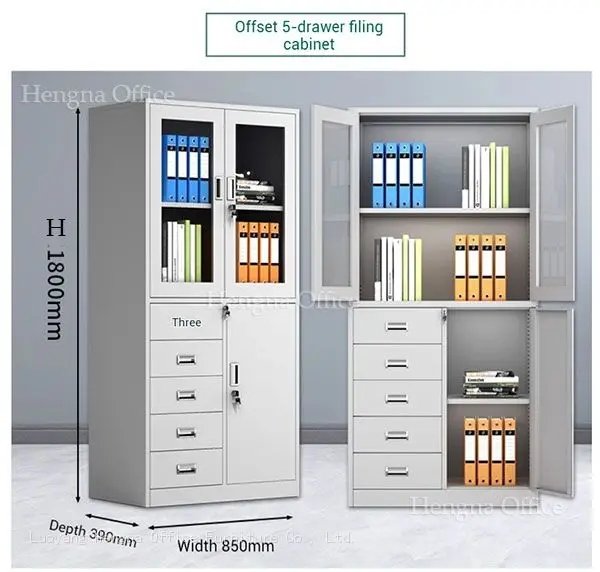
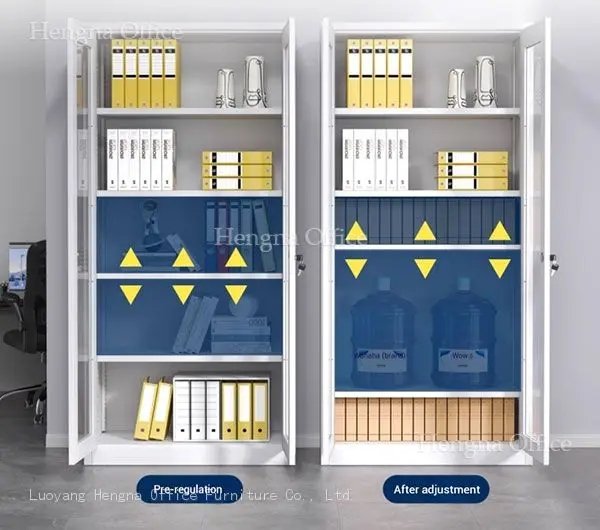
- Vertical Storage Systems: High-density filing cabinets reduce space requirements by 60% while increasing capacity by 40%
- Modular Configurations: Flexible designs adapt to changing needs, allowing organizations to scale storage without major renovations
- Digital-Physical Integration: Hybrid solutions combine the security of physical storage with the accessibility of digital systems
Enhanced Security and Compliance
Smart filing systems address critical security and regulatory requirements:
- Multi-Level Access Control: Role-based permissions ensure sensitive information remains protected while maintaining accessibility
- Audit Trails: Comprehensive logging tracks all document access, modifications, and sharing activities
- Compliance Templates: Industry-specific configurations ensure adherence to regulatory requirements
Transformative Impact on Business Operations
Workflow Optimization
Smart file management revolutionizes business processes:
- Standardized Procedures: Automated workflows reduce processing time by 45% while improving accuracy
- System Integration: Seamless connection with existing business systems eliminates data entry duplication
- Decision Support: Real-time analytics provide insights into document usage patterns and operational bottleneck
Competitive Advantage
Organizations implementing smart file management gain significant market advantages:
- Response Speed: 75% faster information retrieval improves customer service and decision-making
- Service Quality: Enhanced document accuracy reduces errors by 68%
- Innovation Capacity: Better knowledge management accelerates product development cycles by 30%
Employee Satisfaction: The Human Factor
Enhanced Work Experience
Smart file management significantly improves daily work life:
- Intuitive Interfaces: User-friendly designs reduce training time by 80% while increasing adoption rates
- Reduced Physical Strain: Ergonomic designs and minimized physical searching decrease workplace injuries
- Professional Environment: Organized spaces contribute to 23% higher employee satisfaction scores
Stress Reduction and Well-being
The psychological benefits are equally important:
- Elimination of Search Anxiety: Instant access reduces frustration and stress levels
- Work-Life Balance: Efficiency gains allow employees to focus on value-added activities
- Collaboration Enhancement: Easy sharing improves team dynamics and job satisfaction
Career Development Support
Modern filing systems contribute to professional growth:
- Skill Development: Employees gain valuable digital literacy skills
- Performance Recognition: Accurate productivity metrics enable fair performance evaluation
- Advancement Opportunities: Efficiency improvements create time for professional development activities
Implementation Strategies for Success
Assessment and Planning
Successful implementation begins with thorough evaluation:
- Current State Analysis: Document existing processes, pain points, and costs
- Goal Definition: Establish clear, measurable efficiency targets
- Stakeholder Engagement: Secure buy-in from all affected departments
- Budget Planning: Allocate resources for technology, training, and change management
Technology Selection
Choose solutions that align with organizational needs:
- Scalability: Ensure systems can grow with your business
- Integration Capability: Verify compatibility with existing infrastructure
- User Experience: Prioritize intuitive interfaces that minimize training requirements
- Security Features: Confirm compliance with industry-specific requirements
Change Management
Smooth transition requires careful planning:
- Communication Strategy: Clearly articulate benefits and timeline
- Training Programs: Provide comprehensive education for all users
- Support Systems: Establish help desks and peer support networks
- Feedback Mechanisms: Continuously gather and act on user input
Success Stories: Real-World Results
Large Enterprise Transformation
A Fortune 500 manufacturing company implemented smart file management across 15 global locations:
- Efficiency Gains: Reduced document processing time by 67%
- Cost Savings: Achieved $2.3 million annual savings in administrative costs
- Employee Satisfaction: Improved workplace satisfaction scores by 34%
- Compliance Enhancement: Eliminated all regulatory compliance violations
SME Success Story
A mid-sized legal firm transformed operations with intelligent filing:
- Space Optimization: Reduced storage requirements by 55%, freeing valuable office space
- Client Service: Improved document retrieval time from 15 minutes to 45 seconds
- Revenue Growth: Increased billable hours by 22% through improved efficiency
- Competitive Advantage: Enhanced client retention through superior service quality
Future Trends and Technologies
AI and Machine Learning Integration
The next generation of smart file management will feature:
- Predictive Organization: Systems that anticipate document needs based on usage patterns
- Natural Language Processing: Voice-activated file retrieval and intelligent search
- Automated Workflow: AI-driven processes that handle routine document management tasks
IoT and Smart Office Integration
Emerging technologies will further enhance efficiency:
- Smart Storage Units: IoT-enabled cabinets that track usage and optimize organization
- Environmental Monitoring: Automated climate control for sensitive document preservation
- Mobile Integration: Seamless access across all devices and platforms
Your Efficiency Revolution Starts Now
Smart file management represents more than just technological upgrade—it’s a fundamental transformation of how organizations operate, collaborate, and succeed. The benefits are clear: dramatic cost savings, improved employee satisfaction, enhanced compliance, and competitive advantage.
The question isn’t whether your organization can afford to implement smart file management—it’s whether you can afford not to. With average ROI of 250% within the first year, the business case is compelling.
Ready to revolutionize your workspace efficiency? Contact our team for a complimentary efficiency assessment and customized implementation plan tailored to your specific needs.