You walk into a pool or spa changing room after a season, and you already know where the problem is. Not the showers, not the benches — the lockers. The bases are streaked with brown. The door edges are flaking. One cabinet near the splash zone has rust come right through the paint and crawl down the leg. Guests notice it. Your cleaner notices it. And you are replacing lockers you bought three years ago, instead of lockers you bought ten years ago. That is the decision this article is about: stainless steel lockers versus powder-coated steel lockers in wet areas, and why the comparison ends where chlorine and humidity never stop.
What a wet area actually does to a locker
A pool or spa room is not a normal room. Three things never let up.
Chlorine in the air. The ventilation carries chlorine vapour through the whole changing area, not just the pool hall. It lands on every cabinet face.
Humidity that never dries. The room sits at high moisture from opening to closing. Air-conditioning helps, but the locker room still breathes damp.
Wet swimwear and towels. Staff and guests shove damp clothes into closed compartments. The inside of every locker is a small, humid box with a wet item in it.
A dry office corridor lockers can handle. A splash zone lockers cannot, unless the material was chosen for it.
Stainless vs powder coated lockers in wet areas — side by side
Both cabinet types start as steel. The difference is what protects that steel, and what happens the day the protection gets tested.
| Comparison point | Powder-coated steel lockers | Stainless steel lockers |
|---|---|---|
| Surface protection | A powder coat sits on top of cold-rolled steel — the coating is the protection | The material itself is rust-resistant — there is no coating to fail |
| What happens at a chip | A knocked corner exposes bare steel; moisture and chlorine creep under the film and rust spreads invisibly | A knocked corner exposes the same stainless underneath — no film, nothing to creep under |
| Door edges and hinges | Paint wears thin at the edges that bump all day — the first place rust appears | Edges and faces are the same material, so wear does not expose a weaker layer |
| Cleaning | Wipes clean, but chlorine-based cleaners break an organic coating down faster over years | Wipes clean with the same disinfectants; the surface is brushed or natural stainless |
| Inside the compartment | Damp clothes sit on painted steel that slowly dulls and spots | Damp clothes sit on a surface that rinses and wipes without trapping moisture |
| Upfront cost | Lower per cabinet | Higher per cabinet |
| Where it makes sense | Dry corridors, dry staff rooms, low-humidity back-of-house | Poolside, spa changing rooms, shower-adjacent zones, coastal sites |
Read the cost row twice. The powder-coated cabinet is cheaper on day one. It is also the cabinet you are pricing again in three years, because the failure in a wet area is not sudden — it is the slow flake at the door edge, the brown streak at the base, the cabinet you cannot leave in front of a guest. Stainless steel lockers cost more to buy and cost less to live with.
Which stainless grade for a pool or spa
We build our lockers in two grades, and the choice is honest.
201 stainless is our standard, commercial-grade build. It handles general indoor and semi-damp environments well, and it is the right call for a dry changing row away from the splash zone.
304 stainless is the custom build for the harder rooms. We specify it for coastal sites, high-humidity areas, and the splash-zone lockers that catch spray all day. It resists corrosion better than 201, and in a chlorine room that margin is what keeps the faces clean-looking year after year.
We do not quote 201 as 304. Tell us where the row sits — pool hall edge, spa lounge corridor, coastal resort — and we will price the grade that matches the room.
The row itself: sizes and door counts
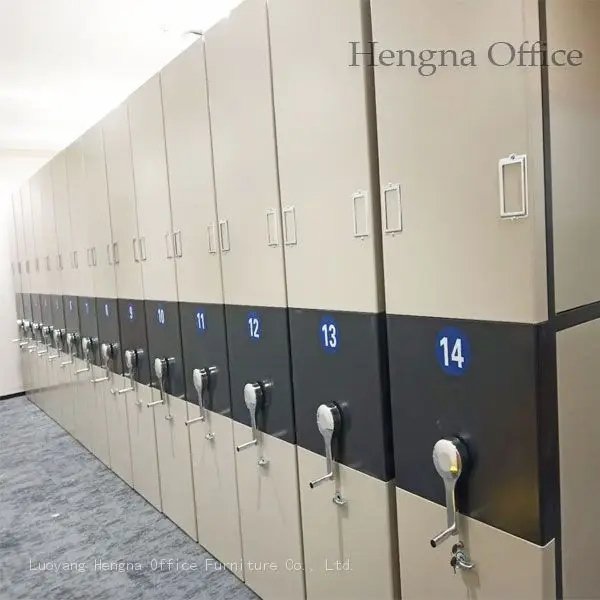
Our locker range stands 1850 mm high, which fits a standard changing-room wall without crowding the ceiling.
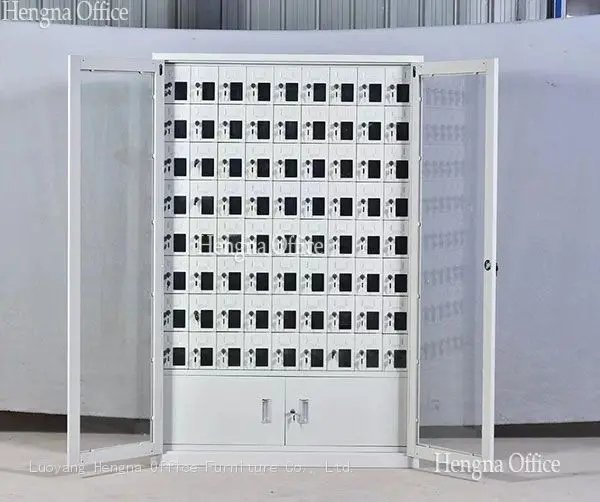
Two-door, three-door, four-door, and six-door cabinets run 900 mm wide by 500 mm deep — deep enough for a coat, a bag, and a change of shoes. Nine-door, twelve-door, and fifteen-door cabinets run 900 mm wide by 400 mm deep: shallower compartments that pack more staff into the same wall length, which suits a busy spa with many short-shift therapists.
Ventilation holes are an option on request. In a wet-area locker, that matters: a compartment with airflow dries damp swimwear faster than a sealed box, which is why ventilated staff lockers are the default choice for shower-adjacent rooms.
The lockers ship KD — knocked down and flat-packed at roughly 0.14–0.155 m³ per cabinet. A single container carries far more KD lockers than assembled ones, so ocean freight lands at a fraction of pre-built delivery.
The spec sheet
| Item | What we build |
|---|---|
| Material | 201 stainless standard; 304 stainless custom for splash zones / coastal |
| Finish | Brushed / natural stainless, easy wipe clean |
| Height | 1850 mm across the range |
| Width × depth | 900 × 500 mm (2/3/4/6-door); 900 × 400 mm (9/12/15-door) |
| Door counts | 2, 3, 4, 6, 9, 12, 15 per cabinet |
| Ventilation | Ventilated compartments available on request |
| Locking | Individual door locks |
| Packaging | KD flat pack, ~0.14–0.155 m³ per cabinet |
| Certification | CE |
| Warranty | One year |
FAQ
Can we really not put painted lockers near a pool? You can. They will look fine for the first season. The question is what happens at year two and three, when the coating near the splash zone starts to fail and the replacements come out of your maintenance budget.
Is 201 stainless good enough for a spa changing room? For a dry corridor away from showers and spray, 201 handles general indoor and semi-damp rooms well. For the splash-zone cabinets that catch chlorine vapour and wet towels all day, we spec 304.
How do we choose the door count? Full-height compartments (2–4 doors per cabinet) suit one staff member or one guest per locker. Dense cubbies (9–15 doors) suit high-turnover rooms where a bag and a coat are all that fits.
Do ventilated lockers make a difference in wet areas? They do. Airflow keeps damp workwear and swimwear fresher than a sealed compartment, and it is a standard option on our lockers.
What about the minimum order and lead time? They depend on door counts and grade. Tell us the room layout and headcount — MOQ and lead time are confirmed in the quotation.
Where do I get a price? Send the number of cabinets, the door counts, and whether the row is splash-zone or dry. Quotes go out within 24 hours.
A closing note
A pool or spa changing room sells the guest experience in the first five minutes. A flaking, rust-streaked locker row says the place is cutting corners; a clean brushed stainless row says nothing at all, which is exactly what you want. That is the whole argument for stainless steel lockers in wet areas: they survive the chlorine quietly, and you stop pricing replacements every three years.
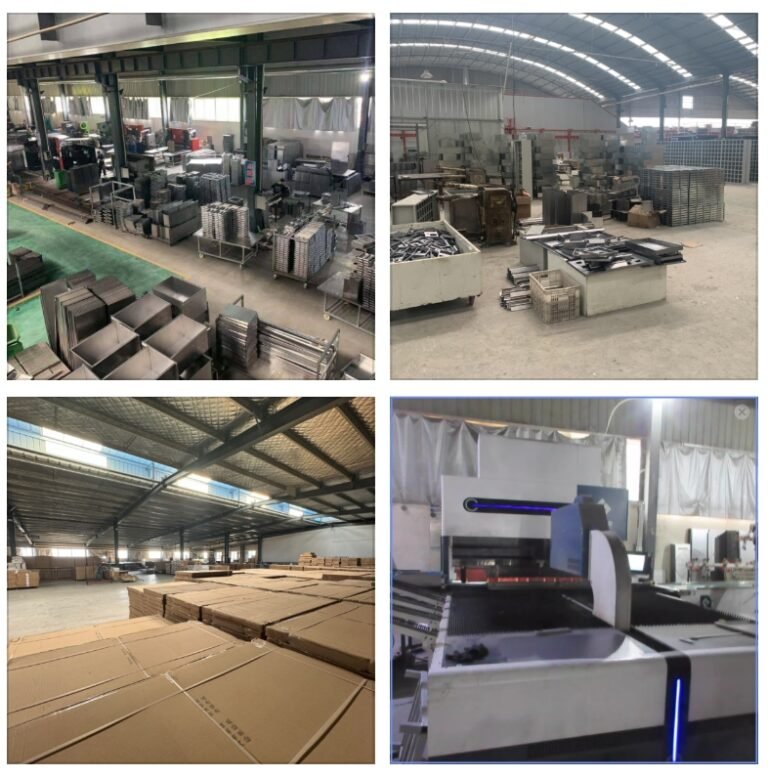
Cindy Steel Furniture — factory-direct stainless steel lockers, built for pool and spa wet areas.