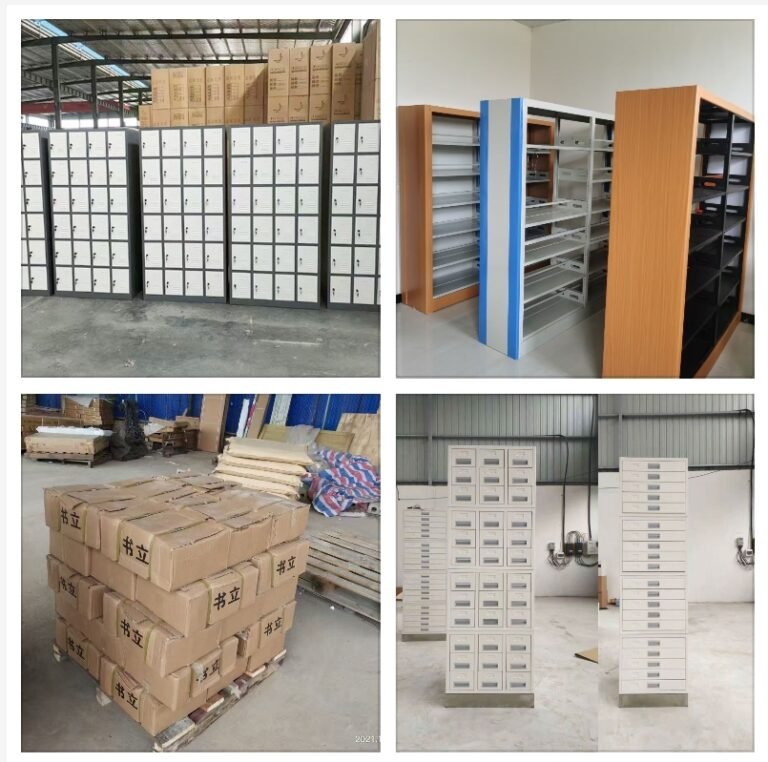
I have sat in enough procurement meetings to know what happens when a histology lab needs new storage. Someone from administration prints out three Alibaba listings, circles the cheapest option, and asks why the quote from the established supplier costs forty percent more. Then the histology supervisor spends the next twenty minutes explaining why a cabinet that holds wax blocks for ten years is not the place to cut corners.
This guide exists for that meeting. It is a practical checklist for buying histology paraffin block cabinets that will actually work in a real laboratory environment — not a showroom, not a catalog photo, but a room where technicians handle hundreds of blocks per week and regulators show up unannounced.
Understand What You Are Actually Storing
Before looking at a single product page, get clear on your numbers. A histology laboratory generates tissue blocks at a predictable rate, but most buyers guess instead of measuring.
Count your blocks from the past twelve months. Include surgical pathology, biopsy specimens, and any research collections your lab maintains. A teaching hospital affiliated with a medical school will have significantly higher volume than a standalone diagnostic lab. Do not use industry averages — use your actual data.
Now multiply that number by your retention requirement. Most jurisdictions mandate ten years of storage for diagnostic blocks. Research blocks may need indefinite retention. That gives you your total capacity requirement.
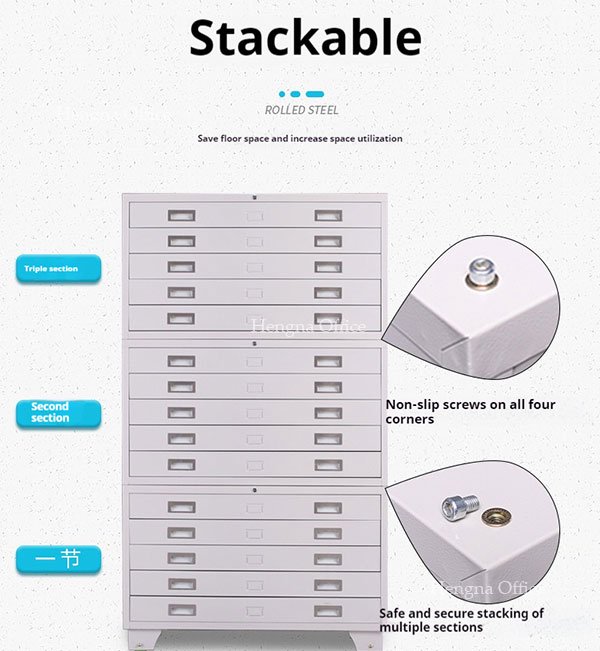
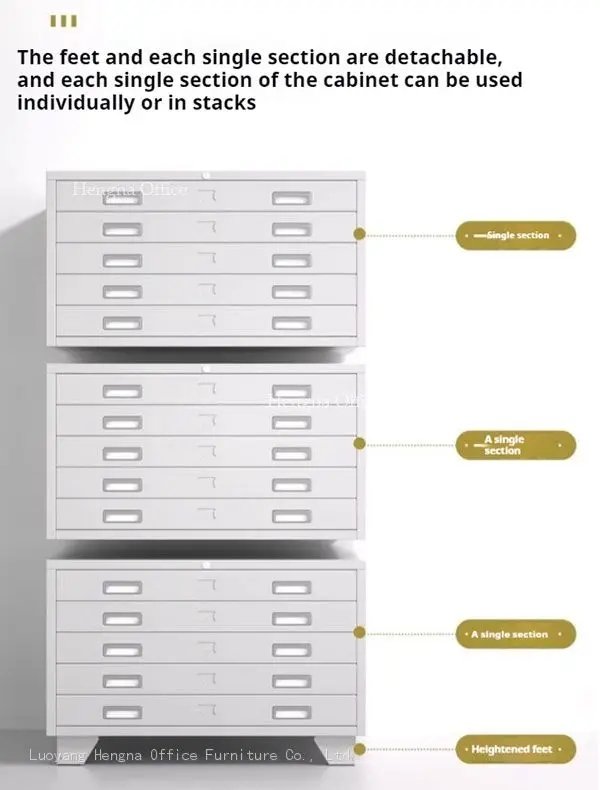
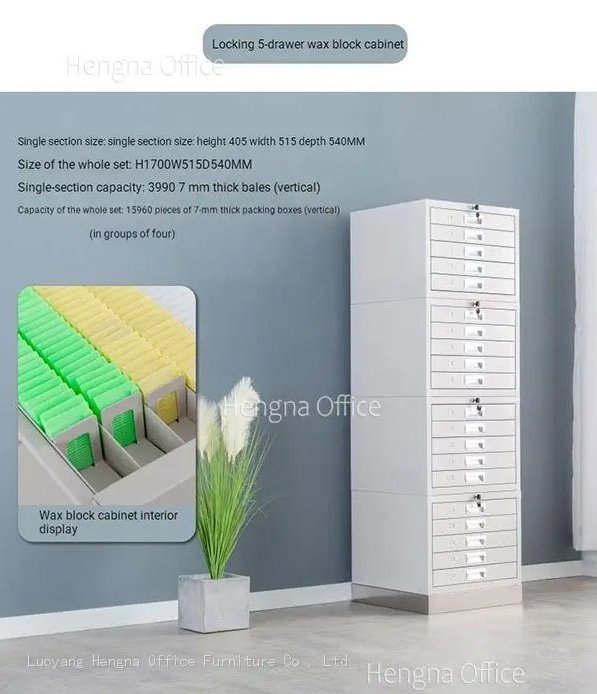
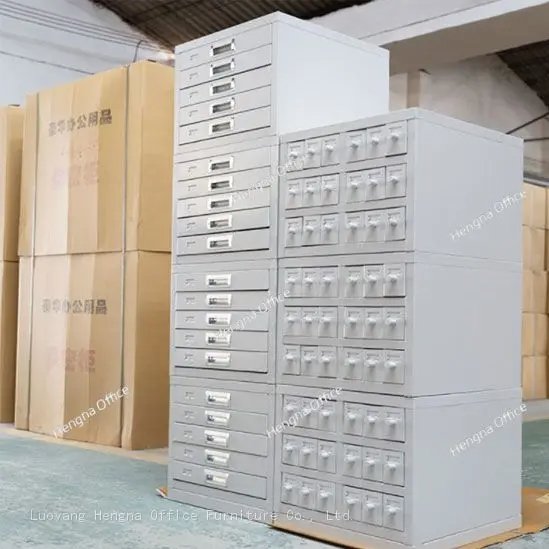
Here is how modular cabinet math works in practice. A single five-drawer unit, measuring 360mm high by 515mm wide by 480mm deep, stores approximately 4,000 standard paraffin blocks. When you configure four of these units as a stacked system on a base frame, the total height reaches 1,520mm with the same 515mm width and 480mm depth. This full configuration holds approximately 16,000 blocks across twenty drawers.
For a lab processing 10,000 blocks annually, one full cabinet covers roughly eighteen months of production. For compliance purposes, you need capacity for ten years — so plan for six to seven full cabinets or equivalent modular units. Buying exactly what you need today means buying again in two years, with all the disruption that entails.
Material Specs That Actually Matter
When suppliers send spec sheets, they lead with features that sound impressive but mean little. “Premium finish.” “Heavy-duty construction.” These phrases tell you nothing. Here is what to look for instead.
Steel thickness: 0.8mm cold-rolled steel plate is the minimum thickness for a cabinet that will hold up under years of daily drawer operation. Thinner steel warps. Thicker steel adds unnecessary weight and cost without meaningful benefit.
Surface coating: Electrostatic spray coating with anti-rust treatment. This is not optional in humid climates or basement labs. Powder coating provides better adhesion and scratch resistance than liquid paint. The matte white color standard on most lab cabinets is functional — it reflects light in dim storage rooms and shows dust or chemical residue so you know when cleaning is needed.
Drawer mechanism: Groove-style slide rails with high-strength sliding wheels. Ball-bearing slides sound smoother in theory, but in dusty lab environments they collect particulate and jam. Groove rails tolerate environmental conditions better and cost less to replace when they eventually wear.
Auto-return positioning: This feature keeps drawers aligned after repeated use. Without it, drawers slowly drift out of square, leading to binding, uneven weight distribution, and premature failure.
Shock-absorbing pads: Small detail, big daily impact. These pads cushion drawer closure, reducing noise in shared workspaces and preventing the repetitive impact that loosens screws and damages frames over time.
Compliance Checklist for Regulated Labs
If your histology lab operates under CAP, ISO 15189, or local accreditation standards, your storage system will be inspected. Prepare for it.
Specimen security: Every drawer must lock. Individual drawer locks are preferable to a single cabinet-level lock because they allow multiple users to access different sections simultaneously without creating security gaps. Key management should follow your institution’s broader specimen access policy.
Environmental stability: Paraffin blocks need stable temperature and humidity. Your cabinet should not contribute to environmental problems. Steel construction with proper coating does not off-gas, warp with humidity, or degrade in temperature ranges typical of climate-controlled labs (18–24°C).
Fire safety: Check your local fire code requirements for specimen storage. Steel cabinets meet most fire resistance requirements automatically. Plastic cabinets may not.
Traceability: The best practice is to organize drawers by year, then by case number range. Interchangeable drawers make reorganization possible without replacing the entire cabinet when your filing system evolves.
Space Planning: Measure Twice, Order Once
The most expensive cabinet is the one that does not fit.
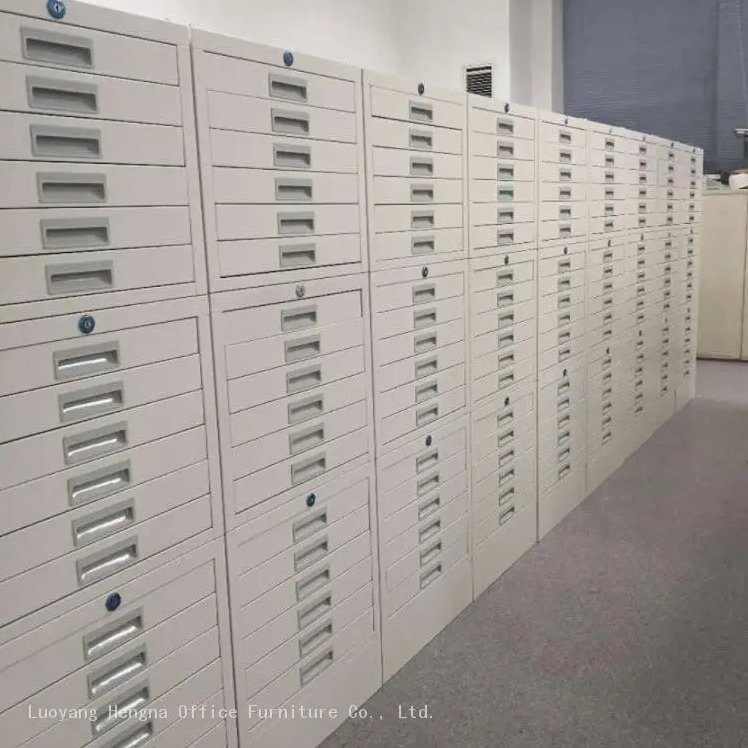
A standard modular unit at 360mm height gives you flexibility. Use it under a workbench. Stack it in a narrow corner. Combine four units into a 1,520mm tower for maximum density. The 515mm width and 480mm depth work in most standard lab configurations.
But you need to verify three things before ordering:
- Doorway clearance: Can the unit pass through your lab entrance? Unassembled units usually ship flat, but assembled configurations may not fit through narrow corridors.
- Floor loading: A fully loaded twenty-drawer cabinet weighs significantly more than an empty one. Confirm that your floor can support the concentrated load, especially in older buildings.
- Workflow distance: Position cabinets close enough to the cutting station that technicians are not walking halfway across the lab for every retrieval. But not so close that they create congestion in the main work area.
Draw a floor plan. Mark the cabinet locations. Walk the path a technician takes from the microtome to the cabinet and back. If that path crosses another technician’s workspace, rethink the layout.
Evaluating Suppliers Beyond the Price List
Price matters, but the lowest bid often costs more over time. Here is how to evaluate suppliers on factors that affect your total cost of ownership.
Spare parts availability: Drawer slides, locks, keys, and handles wear out. Can you buy replacements from the supplier in year seven, or will you be replacing the entire cabinet because one component failed?
Lead time and stock: Standard white cabinets in common configurations should ship within two to three weeks from stock. Custom colors, special dimensions, or large orders may require six to eight weeks. Plan your procurement timeline accordingly.
Warranty terms: A two-year warranty on hardware is standard. Anything less suggests the supplier does not trust their own product.
Reference installations: Ask for photos or contact information from labs using their cabinets for more than five years. New products always look good. Products that have survived five years of daily use tell the real story.
Histology Paraffin Block Cabinet Buying Guide|Final Recommendation
Buy for a ten-year horizon, not a one-year budget. Buy modular systems that grow with your lab. Buy from suppliers who will still answer your emails when you need replacement parts in 2032.
The right histology paraffin block cabinet is not the cheapest option on the spreadsheet. It is the one that keeps your blocks organized, your inspectors satisfied, and your technicians focused on their work instead of wrestling with stuck drawers.
About the Author: We manufacture laboratory storage systems for histology and pathology departments. Our cabinets are built from cold-rolled steel with electrostatic spray coating, designed for modular expansion, and installed in medical labs across Asia, Europe, and the Middle East.