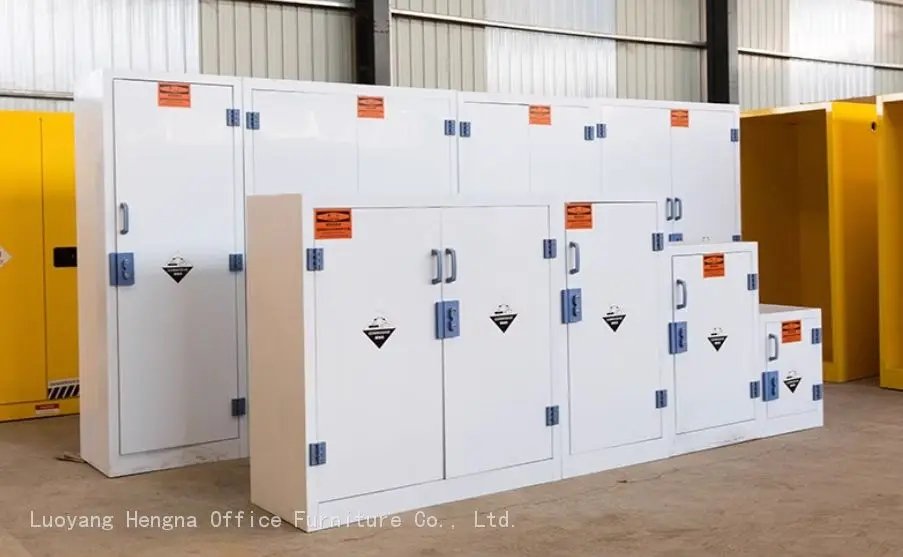
PP cabinets When it comes to safely storing strong acids and alkalis, choosing the right cabinet material is crucial for ensuring both safety and efficiency. In industrial, laboratory, and research environments, proper storage of hazardous chemicals can prevent spills, accidents, and costly damages. Among the various materials available, polypropylene (PP) has emerged as the superior choice for safely storing corrosive substances, especially when compared to traditional steel cabinets. In this article, we’ll dive into why polypropylene is the best material for storing strong acids and alkalis, and why it outperforms steel in almost every aspect of chemical storage.
Understanding Strong Acids and Alkalis
Before we dive into the specifics of cabinet materials, it’s important to understand the nature of the chemicals we are dealing with. Strong acids like hydrochloric acid, sulfuric acid, and nitric acid, as well as strong alkalis like sodium hydroxide, are extremely corrosive. These substances can cause severe damage to equipment and surfaces they come in contact with, which makes choosing the right storage solution essential.
In order to safely store these chemicals, you need materials that are resistant to corrosion, chemical degradation, and physical damage. This is where the debate between steel and polypropylene cabinets comes into play.
Why Steel Cabinets Aren’t Ideal for Storing Strong Acids and Alkalis
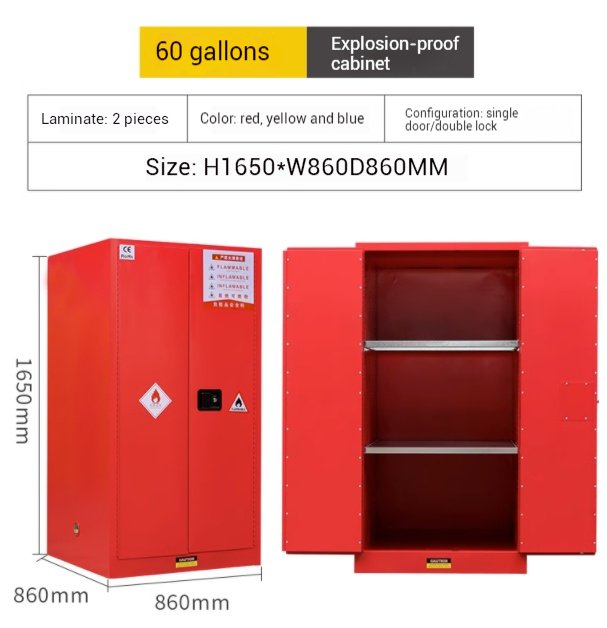
Steel cabinets have long been used for industrial storage, but when it comes to storing strong acids and alkalis, they present a number of significant issues. Let’s take a look at the challenges of using steel cabinets for chemical storage:
- Corrosion Risk: Steel is highly susceptible to corrosion, especially when exposed to acids and alkalis. These chemicals can quickly break down steel over time, causing rust and damage to the cabinet, which compromises its ability to contain hazardous substances safely.
- Maintenance Issues: Steel cabinets require regular maintenance, such as applying protective coatings to prevent rust and corrosion. These coatings can wear off over time, and if the cabinet becomes damaged, it may need to be replaced altogether. This adds to both the time and costs involved in maintaining steel cabinets.
- Limited Chemical Resistance: Steel is a reactive material, and when exposed to strong acids and alkalis, it can suffer from chemical degradation. This not only increases the risk of leaks but also poses safety hazards to workers and the surrounding environment.
Why Polypropylene Cabinets are the Superior Choice for Chemical Storage
Polypropylene, on the other hand, offers a host of advantages that make it the best material for storing strong acids and alkalis. Here’s why polypropylene is a game-changer for chemical storage:
- Superior Chemical Resistance: Polypropylene has excellent resistance to a wide range of acids and alkalis, including the strongest substances like hydrochloric acid, sulfuric acid, and sodium hydroxide. Unlike steel, polypropylene will not corrode or degrade when exposed to these chemicals, ensuring a longer lifespan and safer storage.
- Non-Corrosive Nature: One of the biggest benefits of polypropylene is its non-corrosive nature. PP cabinets won’t rust, and they won’t react with or degrade in the presence of harsh chemicals. This makes them ideal for storing dangerous substances that could otherwise break down steel or other materials.
- Durability and Longevity: Polypropylene is a durable material that can withstand extreme conditions without breaking down. It is tough, resistant to impact, and can handle the wear and tear of daily use in high-demand environments. Unlike steel, which can weaken over time due to corrosion, polypropylene remains strong and reliable.
- Low Maintenance: Polypropylene cabinets require minimal maintenance. Unlike steel cabinets, which need regular rust prevention treatments and replacement of damaged components, polypropylene cabinets can simply be wiped clean and require no special coatings or protective measures.
- Cost-Effectiveness: While polypropylene cabinets may have a higher initial cost than steel, their durability and low maintenance needs make them more cost-effective in the long term. Steel cabinets, on the other hand, may need to be replaced more frequently due to corrosion, leading to higher replacement and repair costs over time.
Key Advantages of Polypropylene Cabinets for Chemical Storage
To further emphasize why polypropylene cabinets are the ideal choice for strong acids and alkalis, here are some additional benefits:
- Lightweight and Easy to Handle: Polypropylene is much lighter than steel, making it easier to handle, move, and install. This can be particularly useful in laboratories and industrial environments where cabinet relocation may be necessary.
- No Need for Additional Coatings: Unlike steel, which requires protective coatings or linings to prevent corrosion, polypropylene doesn’t need any additional protection, saving both time and money.
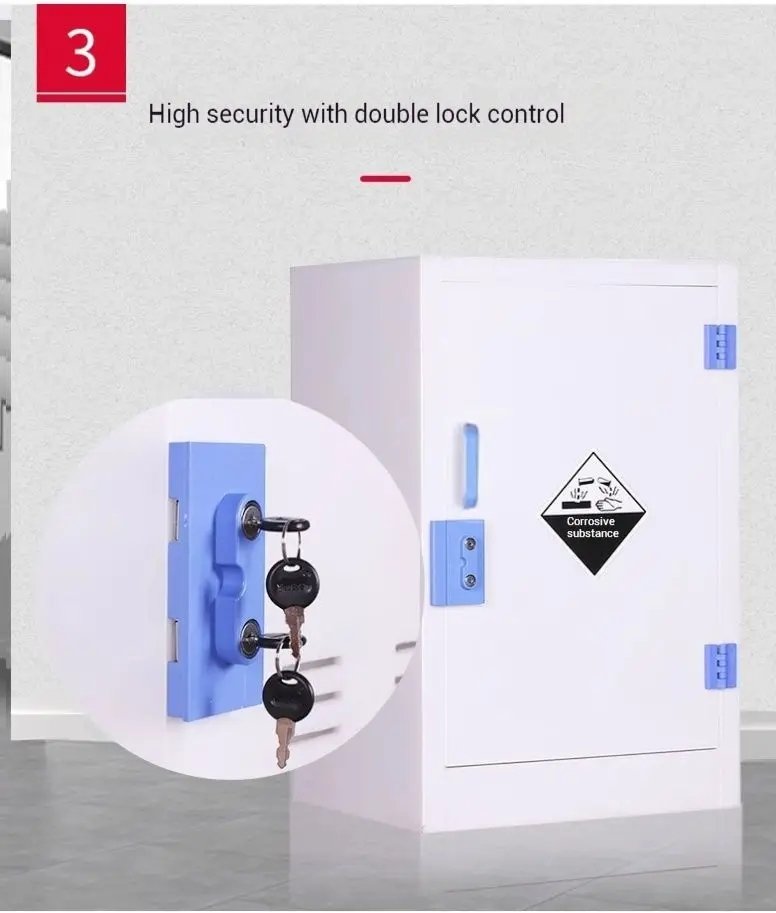
- Safe and Secure: Polypropylene cabinets are designed with safety in mind. Many feature locking mechanisms, spill containment trays, and ventilation systems to ensure safe handling and storage of hazardous chemicals.
Real-World Applications for Polypropylene Cabinets
PP cabinets are already widely used in various industries where hazardous chemicals are commonly stored. Here are some examples of where polypropylene cabinets are ideal:
- Laboratories: In research facilities, laboratories often store strong acids and alkalis for various experiments. Polypropylene cabinets provide safe and reliable storage for these substances, preventing contamination and accidents.
- Manufacturing Plants: Many manufacturing plants work with chemicals that require secure storage. PP cabinets are essential in ensuring that these chemicals are stored safely and efficiently.
- Hospitals and Medical Facilities: In healthcare environments, certain medications or cleaning agents require storage in specialized cabinets. Polypropylene cabinets offer the necessary resistance to acids and alkalis, which are common in medical applications.
- Chemical Processing Industries: Industries dealing with chemical processing rely heavily on safe chemical storage solutions. Polypropylene cabinets offer superior protection against the corrosive nature of the chemicals being stored.
Steel vs. Polypropylene Cabinets: A Quick Comparison
| Feature | Steel Cabinets | Polypropylene Cabinets |
|---|---|---|
| Corrosion Resistance | Low (rusts easily) | High (resistant to most acids/alkalis) |
| Durability | Strong but prone to rusting | Extremely durable and long-lasting |
| Maintenance | High (needs coatings) | Low (no additional coating required) |
| Cost | Lower upfront, higher long-term costs | Higher upfront, lower long-term costs |
| Chemical Compatibility | Limited (often corrodes) | Excellent (ideal for strong acids/alkalis) |
| Safety | Risk of failure and leaks | Safe and secure for chemical storage |
| Weight | Heavy and difficult to move | Lightweight and easy to handle |
FAQs
- Can I store acids and alkalis in steel cabinets?
- While steel cabinets can be used for chemical storage, they are not ideal for storing strong acids and alkalis due to the risk of corrosion. Polypropylene is a safer and more reliable choice for these substances.
- What’s the difference between polypropylene and polyethylene?
- Polypropylene (PP) has superior chemical resistance compared to polyethylene, making it the ideal material for storing strong acids and alkalis. Polyethylene is generally more suitable for less corrosive substances.
- How long do polypropylene cabinets last?
- Polypropylene cabinets are incredibly durable and can last for many years without significant wear. They do not corrode, unlike steel cabinets, and require little maintenance over time.
- Are polypropylene cabinets more expensive than steel?
- Yes, polypropylene cabinets have a higher initial cost, but their long-term durability and low maintenance requirements make them more cost-effective in the long run.
- What should I look for in a chemical storage cabinet?
- Look for materials that are resistant to corrosion, easy to maintain, and have features like secure locking mechanisms and spill containment trays for added safety.