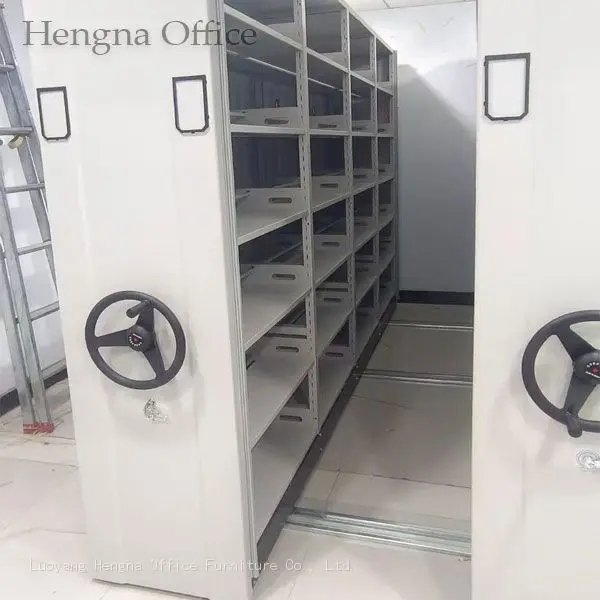
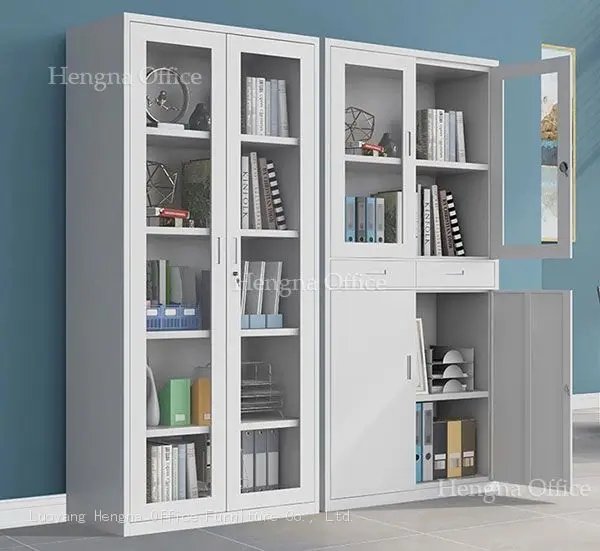
Hospital staff change rooms are where the day starts and ends. Nurses, doctors, porters, and cleaning staff walk in street clothes, change into scrubs, and hang their personal items somewhere that has to survive a twice-daily disinfectant routine. Most lockers were not chosen for that room. They chip, they collect grime in the crevices, and the cleaning crew spends ten minutes per cabinet trying to get into the seams. Infection control teams walk past those cabinets and make a note. A hospital staff locker that is smooth, wipe-clean, and built to the right size is the storage fix, and this is the checklist we would run before ordering a row.
The checklist: eight points that make a changing-room locker hygienic
Spend the budget once, correctly. Run every candidate locker through these eight checks.
1. A surface you can wipe in seconds. The face of the locker should be one continuous, smooth sheet — brushed or natural stainless steel — so a cleaner passes a disinfectant cloth over it once and moves on. Painted steel has a coating that can chip; at the chip line, grime settles and the surface is no longer wipe-clean. Stainless gives you a face that stays smooth year after year.
2. No crevices that trap dirt. The dirtiest part of a painted locker is never the flat face. It is the seam where the coating wears, the edge that bumps trolleys all day, the corner that collects a film nobody reaches. Stainless lockers are built from the same material across face and edges, so there is no weak seam for dirt to move into.
3. A surface that stands up to hospital disinfectants. Ward and corridor cleaning runs on alcohol and chlorine wipes, every shift. Those cleaners break an organic paint film down faster over the years. Stainless steel does not have a film to break down, so the cabinet face survives the same wipe-down routine that dulls and chalks painted units.
4. Ventilation where damp workwear sits. Scrubs and gym kit go into a closed compartment at the end of a shift. A ventilated compartment — an option on our lockers — lets air move through, so damp clothing freshens faster than it would inside a sealed box. Ask for ventilation where staff bring wet or post-exercise items.
5. The right compartment size for your staff. Full-height lockers (two, three, four, or six doors per cabinet at 1850 × 900 × 500 mm) give each staff member a hanging compartment for scrubs, a coat, and a bag. Dense cubbies (nine, twelve, or fifteen doors at 1850 × 900 × 400 mm) suit high-turnover back-of-house teams where a bag and a jacket are all that lives inside. Match the door count to the headcount and the room length.
6. Locks that work every shift. Every compartment carries its own lock. Staff change over; the compartment gets handed on; a working key lock means a nurse’s bag is private at shift change. That is a basic expectation, but it is one worth confirming on every quote.
7. The right grade for the room. Our standard lockers are built in 201 stainless — a commercial-grade material for general indoor and semi-damp rooms. For areas with heavier cleaning routines or higher humidity, we build the same cabinet in 304 stainless to order. We do not sell 201 and call it 304; tell us the department and we will quote the grade the room needs.
8. Freight that actually reaches you. Our lockers ship KD — knocked down and flat-packed, roughly 0.14–0.155 m³ per cabinet. One container carries far more KD lockers than assembled units, so the freight line on your quote is a fraction of pre-built delivery. They go up on site, against the changing-room wall.
One honest note: we are not claiming the material kills germs on contact. What stainless gives you is the opposite half of the argument — a surface that does not trap them, so your cleaning routine actually reaches every part of the cabinet.
The spec sheet
| Item | What we build |
|---|---|
| Material | 201 stainless standard; 304 stainless custom |
| Finish | Brushed / natural stainless, easy wipe clean |
| Height | 1850 mm across the range |
| Width × depth | 900 × 500 mm (2/3/4/6-door); 900 × 400 mm (9/12/15-door); 970 × 500 mm (glass-door unit) |
| Door counts | 2, 3, 4, 6, 9, 12, 15 per cabinet |
| Ventilation | Ventilated compartments available on request |
| Locking | Individual door locks |
| Packaging | KD flat pack, ~0.14–0.155 m³ per cabinet |
| Certification | CE |
| Warranty | One year |
FAQ
Why stainless steel for a hospital changing room, when painted lockers are cheaper? Because the room is cleaned with disinfectants twice a day, every day. A painted cabinet loses its coating at the edges first, and once the coating chips, the surface is no longer wipe-clean. Stainless keeps a smooth, continuous face that the cleaning crew can maintain without fighting seams.
Do stainless lockers need special cleaning? No special routine. They wipe down with the same disinfectant cloths your housekeeping team already uses. Brushed or natural stainless tolerates normal ward cleaning.
What size fits a staff changing room? A 1850 × 900 mm cabinet carries between two and fifteen door compartments depending on density. Full-height compartments suit staff who store scrubs and a coat; dense cubbies suit high-turnover teams. The depth is 500 mm on the full-door units and 400 mm on the dense-cubby units.
Can we get 304 stainless for wetter departments? Yes. Our standard is 201 commercial-grade stainless; 304 is the custom build for higher-humidity or heavier-corrosion areas. We confirm the grade in the quotation against your room.
Can I order a hospital stainless steel locker with vents? Yes. Ventilated compartments are a standard option, so the row you spec can include airflow for damp scrubs and post-shift gym kit.
Do you supply CE documentation? Yes. CE documentation is available with the order.
What is the minimum order and lead time? They depend on door counts, grade, and the size of the row. Send us the headcount and the department — MOQ and lead time are confirmed in the quotation.
Where do I get a price? Tell us the number of staff, the door counts, and the department. Quotes go out within 24 hours.
A closing note
A hospital changing room is the room your infection control team walks through. A flaking, seam-grimed painted cabinet is something they photograph; a smooth brushed stainless row that wipes clean in one pass is furniture nobody argues about. That is the whole job of hospital changing room easy-clean storage: it holds scrubs and bags quietly, and it survives the cleaning routine.
Cindy Steel Furniture — factory-direct stainless steel lockers, built for hospital staff changing rooms.