Outfitting a high school chemistry lab means choosing between a 4-gallon acid cabinet and a 12-gallon acid cabinet before the first box of hydrochloric acid arrives. The 4-gallon unit looks cheaper. The 12-gallon unit looks like overkill for a room that only has 15 students in it. Which one does your school actually need?
The answer depends on how many acids your lab runs through in a semester, not how big the room is. Here is how schools usually decide.
What Is a PP Acid Cabinet?
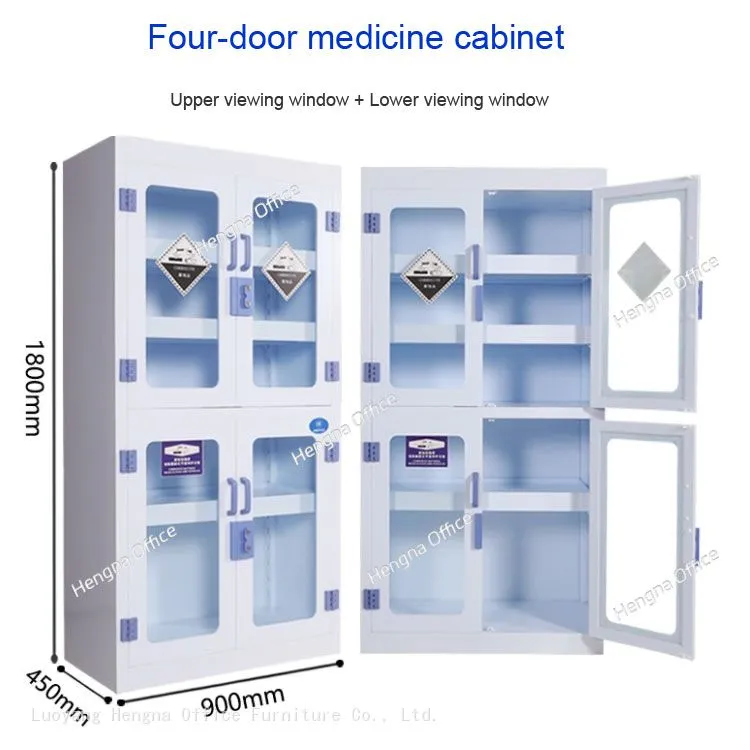
A PP acid cabinet is a corrosive storage cabinet made of polypropylene (PP) plastic. Unlike a steel explosion-proof cabinet, it will not rust when acid fumes seep out. The interior shelves, the door seals, and the body are all chemical-resistant plastic.
These cabinets are for corrosives: hydrochloric acid, sulfuric acid, acetic acid, sodium hydroxide, and similar classroom chemicals. They are not for flammable liquids like ethanol or methanol. Those go in a steel fire-rated cabinet. Mixing the two categories is the most common mistake new lab coordinators make.
4-Gallon vs 12-Gallon: What You Get
| Factor | 4-Gallon PP Cabinet | 12-Gallon PP Cabinet |
|---|---|---|
| Typical size | Small under-counter unit | Tall floor-standing unit |
| Bottles it holds | 4 to 6 x 2.5 L bottles | 12 to 18 x 2.5 L bottles |
| Footprint | Fits on lab counter | Floor space needed |
| Best for | Single lab room, small school | Multi-room science wing |
| Wall mounting | Optional bracket | Anchor to wall required |
| Number of shelves | 1 or 2 | 3 to 5 |
How Much Acid Does a High School Actually Use?
A typical high school chemistry class runs 30 to 40 lab periods per year. In each period, students use maybe 50 to 100 mL of dilute acid. That adds up to roughly 3 to 5 liters of concentrated acid consumed per class per year.
If your school runs two chemistry sections in one lab room, you are looking at 6 to 10 liters of acid on hand at any time. That is about 4 to 6 bottles of 2.5 L stock solution. A 4-gallon cabinet covers that.
If your school has three lab rooms running chemistry, AP Chemistry, and an honors track, you are looking at 15 to 20 liters of stock acid plus bases, plus the backup bottles ordered at the start of the year. That pushes you into the 12-gallon cabinet.
When a 4-Gallon Cabinet Is Enough
Pick the 4-gallon unit if:
- You have one lab room running standard chemistry only.
- Your school orders acids once per year, not every quarter.
- You are tight on floor space and the cabinet sits under a counter.
- The lab coordinator is the only person who accesses corrosives.
Many small rural schools fit this profile. A 4-gallon unit under the prep counter covers the whole year.
When You Need the 12-Gallon Unit
Step up to 12 gallons if:
- You run more than two chemistry sections per day.
- You stock both acids and bases in the same cabinet (divider shelves required).
- Your district orders acid in bulk at the start of the school year and stores it for 12 months.
- Multiple teachers access the cabinet during the day, so bottlenecking on a small door causes line-ups.
The 12-gallon unit also gives you separate shelves for acids on one side and bases on the other, which is better lab hygiene than stacking them on the same shelf.
Two Sizing Mistakes Schools Make
Mistake 1: Buying a 4-gallon cabinet because it is cheaper, then stacking acid bottles on top of each other. Acid bottles must sit upright, not on their side. A 4-gallon cabinet that is overfilled becomes a spill waiting to happen. If you are already stacking bottles, you need the next size up.
Mistake 2: Buying a 12-gallon cabinet for a room that only has 6 bottles of acid. Empty space in a corrosive cabinet is not a benefit. It just means more fume circulation and more wall space taken up. Size to what you actually stock, not what you might need in five years.
Acid vs Base: Do Not Mix on One Shelf
A common shortcut in smaller labs is to store hydrochloric acid and sodium hydroxide on the same shelf in the same cabinet. This works until a bottle tips. If acid and base mix on a shelf, they neutralize, release heat, and can crack a plastic bottle or pop a cap. The result is a chemical spill you have to hose down in front of 25 students.
If you are running a 12-gallon cabinet, use the middle divider to separate acids on the upper shelves from bases on the lower shelves. If you are running a 4-gallon cabinet with no divider, keep the bases in a second smaller unit or on a separate shelf. The extra cabinet is annoying but cheaper than a spill cleanup.
Where to Put It in the Lab
Mount the acid cabinet close to the eyewash station, not across the room. If a bottle tips, you want the eyewash arm length away, not a 30-second walk. Keep it out of direct sunlight, because UV light breaks down some acid formulations over the year.
Anchor the 12-gallon unit to the wall. A full acid cabinet is heavy, and a student bumping into it during a fire drill should not be able to tip it over.
FAQ
Can I store acids and bases in the same PP cabinet?
Yes, if the cabinet has separate shelves or a divider. Acids on the top shelf, bases on the bottom. If they leak on the same shelf, the neutralization reaction creates heat and gas.
Do I need a ventilation hole on top?
Most PP cabinets come with a vent port that you can connect to the lab fume hood exhaust. For a school lab, this is recommended but not always required. Check your local fire code.
What is the difference between a PP cabinet and a steel acid cabinet?
Steel cabinets rust from acid fumes over time. PP plastic does not. If you are storing corrosives, go PP. Steel is for flammables.
How often do I replace the door seal?
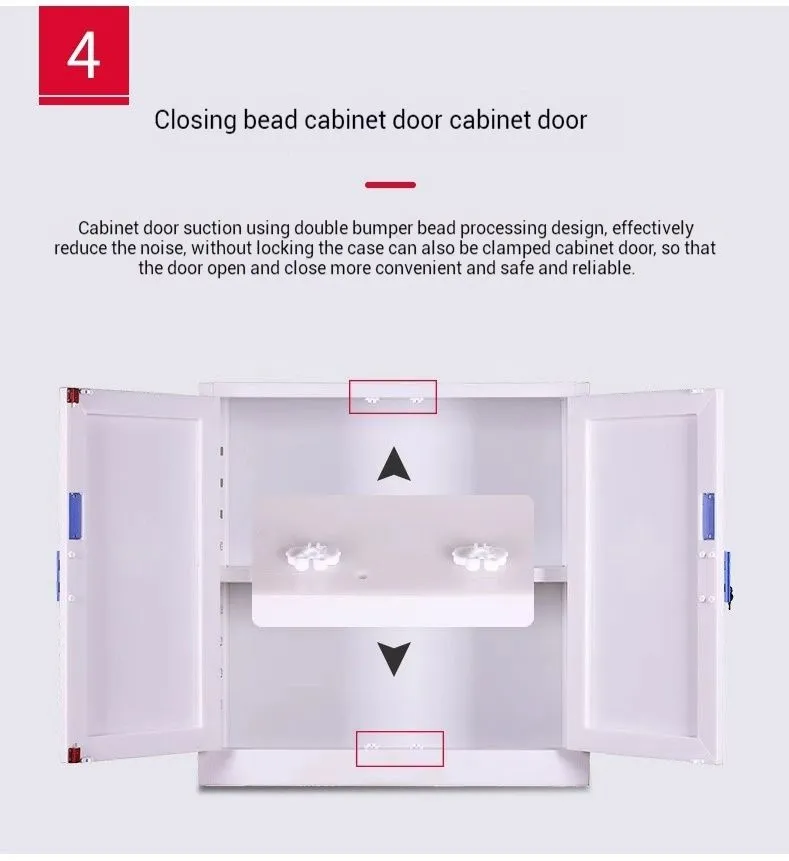
Check the silicone door seal once per year. If it is cracked or hardening, replace it. A bad seal lets fumes out into the lab room, which triggers the safety inspector on the next visit.
Bottom Line
Count the bottles on your prep shelf today. Multiply by 1.5 for next year’s growth. If that fits in 4 gallons, buy the small unit. If it does not, buy the 12-gallon unit. Do not guess. Do not buy the biggest one “just in case.” The right-sized PP acid cabinet sits quietly in the corner for 10 years, and you never have to think about it again.